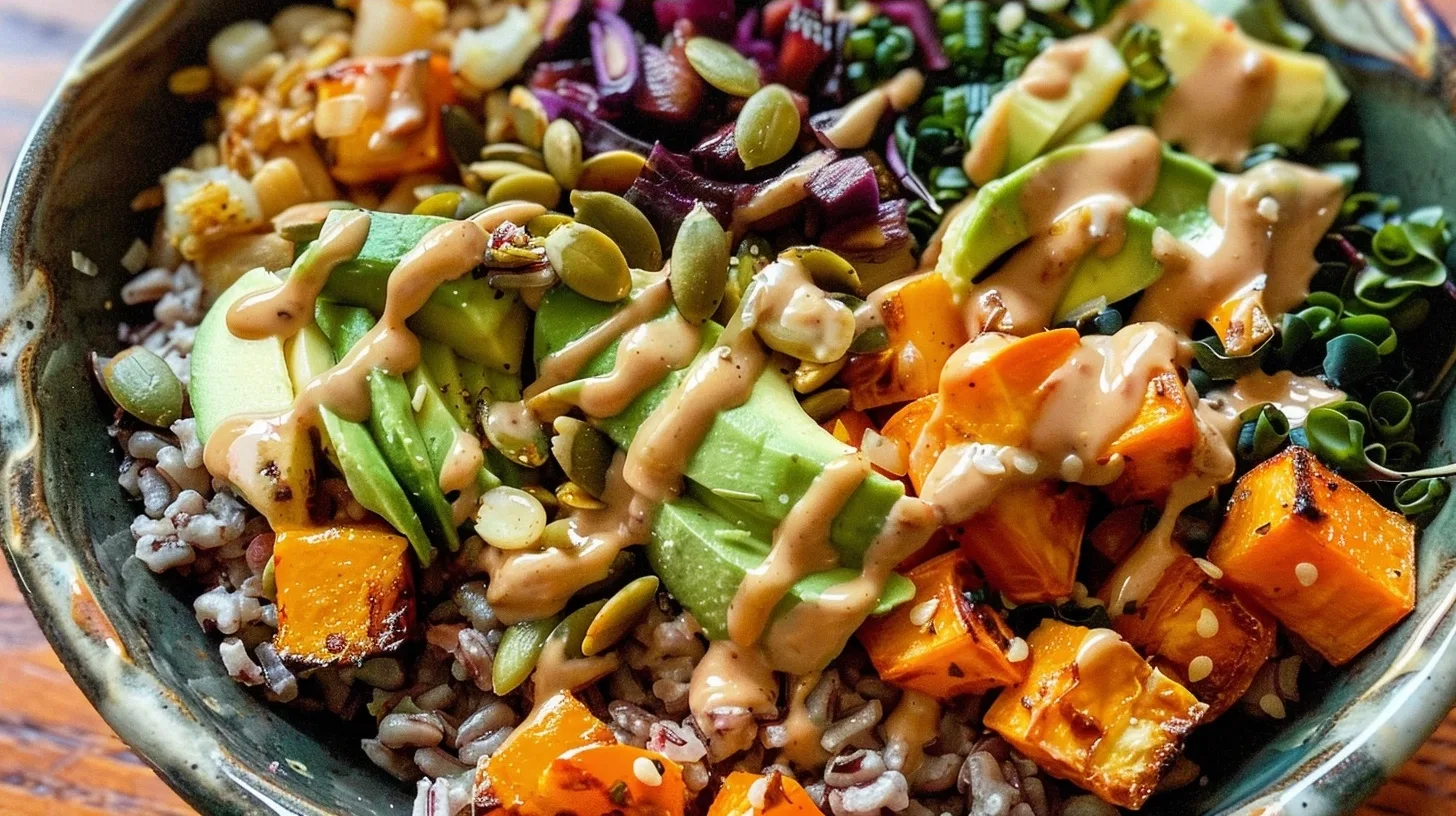
A nutritious Harvest Bowls Recipe combines roasted autumn vegetables with hearty grains and a creamy tahini balsamic dressing for a satisfying meal. This balanced dish provides essential vitamins and minerals while keeping you full for hours after lunch or dinner. You will find that the combination of textures and earthy flavors makes this specific meal a staple in any healthy kitchen.
Introduction to Harvest Bowls Recipe
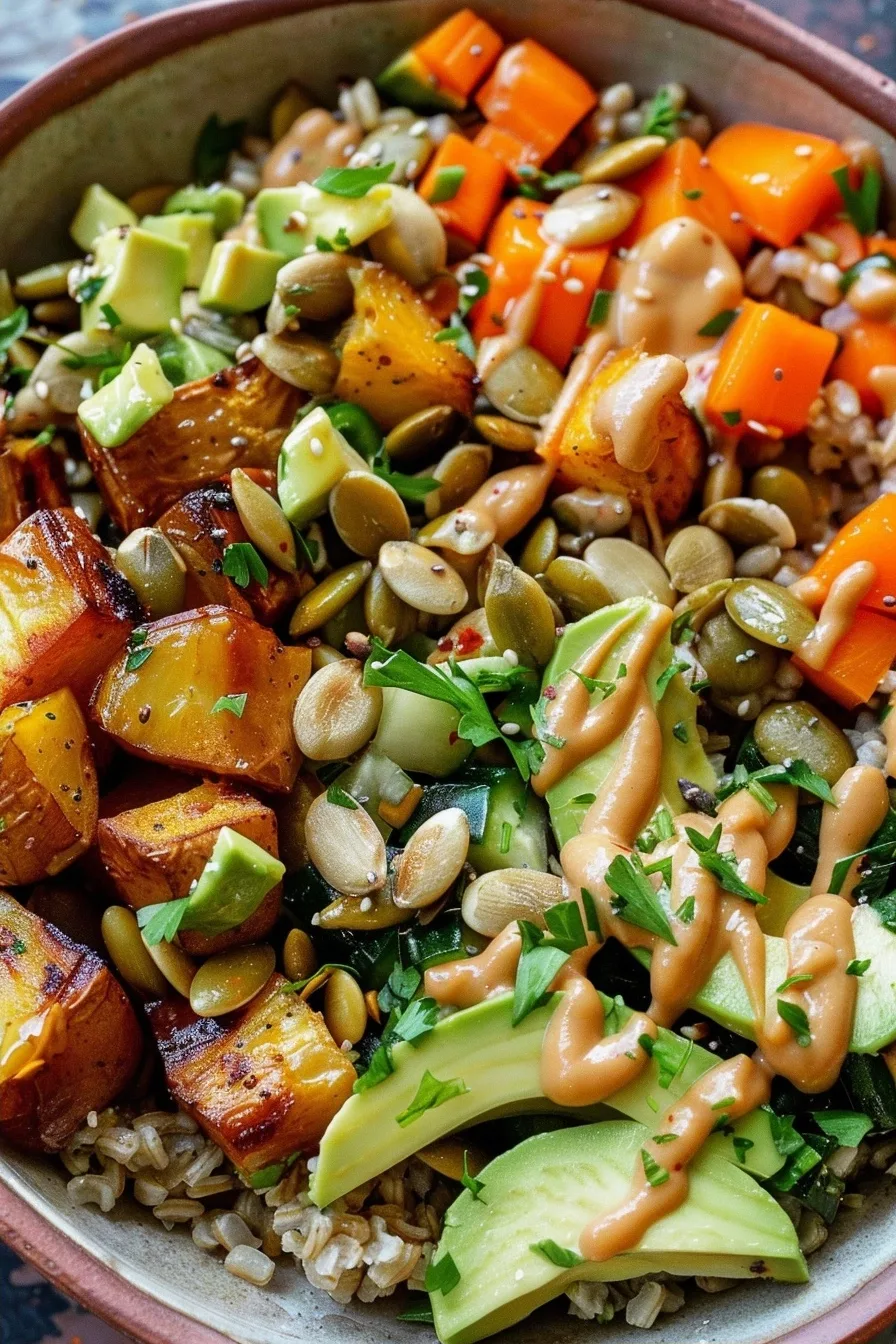
This vibrant dish features tender roasted brussels sprouts and sweet potatoes paired with the crunch of baby carrots and savory red onions. Each bite provides a balance of earthy sweetness and slight bitterness that highlights the best of seasonal produce harvests. The aroma of roasted vegetables fills your home with a comforting scent that signals a wholesome and nourishing meal is ready for your family. You will find that the textures work together to create a complex eating experience that feels far more indulgent than its actual nutritional value.
Harvest bowls occupy a special place in the culinary world because they represent a move toward plant-forward dining without sacrificing satiety or flavor depth. Unlike simple salads that often leave people hungry within an hour, these bowls use nutrient-dense roasted components to provide lasting energy throughout your busy afternoon. The cultural influence behind this dish centers on the idea of clean eating through seasonal selection and purposeful grain pairing to maximize protein intake. This recipe stands out because it avoids processed ingredients while still delivering a professional flavor profile that rivals high-end cafe offerings found in major urban centers.
Busy professionals, parents managing family schedules, and fitness enthusiasts will find this recipe suits their fast-paced lifestyle perfectly. It adapts well to various dietary needs and serves as an excellent lunch option for those who want to avoid the mid-day slump caused by heavy lunches. You should designate this meal as a permanent part of your weekly rotation because it simplifies your grocery shopping while elevating your standard Tuesday night dinner. Investing the time to master this dish will pay off immediately in terms of better energy levels and significantly lower stress during your evening food preparation sessions.
Why You’ll Love This Recipe
The star ingredient here is the roasted vegetable blend which caramelizes at high heat to concentrate natural sugars into a deep savory flavor profile. Achieving this level of browning requires only minimal oil and high heat to unlock a sweetness that transforms even the most basic carrots into culinary gems. You will be amazed at how simple seasonings like garlic powder and dried basil enhance these vegetables without overpowering their natural and fresh earthy qualities.
This dish offers a spectacular contrast between the soft roasted roots and the firm crunch of fresh pepitas scattered across the top. The visual appeal of the vibrant orange sweet potatoes against the dark wild rice makes every bowl look like it was plated by a professional chef. Every forkful satisfies your cravings for something salty, sweet, and nutty while providing a satisfying chew that makes you feel completely nourished after your final bite.
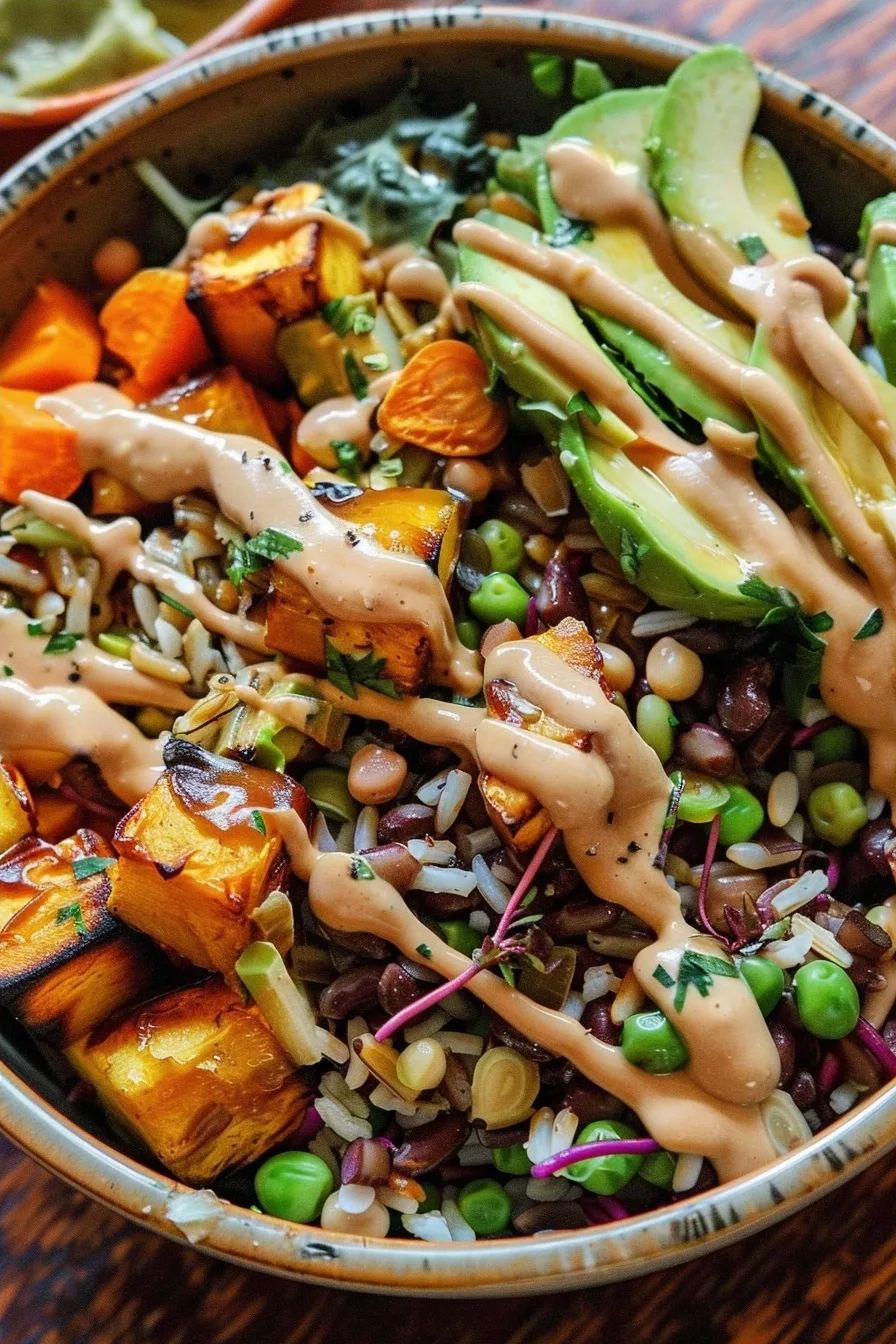
The Perfect Weeknight Dinner
Preparing this dish is incredibly straightforward because it relies on the oven to do the heavy lifting while you focus on other tasks. You can have this entire meal ready in under 45 minutes from start to finish, which is perfect for those evenings when you want to avoid standing over a hot stove. The minimal active work involves basic chopping and seasoning, meaning you can focus your limited energy on enjoying the final product with your loved ones.
Home cooks who practice meal prep will appreciate that these bowls stay fresh in the refrigerator for several days without losing their structural integrity. Beginners will find the process accessible because it requires no complex knife skills or advanced techniques to achieve restaurant-quality results every single time. Families love the modular nature of this meal since children can pick and choose their favorite roasted components while leaving others off their plates if they prefer.
Ingredients Needed for Harvest Bowls Recipe
Main Ingredients
Gather these essential components to build your flavorful and nutrient-packed bowl base.
| Ingredient | Quantity | Notes |
|---|---|---|
| Brussels sprouts | 2 1/2 cups | Base vegetable |
| Sweet potatoes | 2 cups | Sweetness provider |
| Baby carrots | 2 cups | Crunchy texture |
| Red onion | 2 cups | Savory depth |
| Avocado oil | 2-3 tbsp | Roasting fat |
| Salt | 1 tsp | Flavor enhancer |
| Garlic powder | 1 tsp | Aromatic base |
| Dried basil | 1 tsp | Herbal notes |
| Pepper | 1/2 tsp | Spicy undertone |
| Spinach | 1 1/2 cup | Fresh greens |
| Pepitas | 1/4 cup | Crunchy topping |
| Wild rice | 3 cups | Hearty grain |
| Chicken breast | 2 cups | Lean protein |
Optional Add-Ins
Customization allows you to tailor these bowls to your specific cravings or whatever ingredients happen to be lingering in your pantry. Adding these extras changes the profile slightly but maintains the overall balance of your healthy meal.
| Ingredient | Quantity | Notes |
|---|---|---|
| Feta cheese | 1/4 cup | Adds saltiness |
| Dried cranberries | 2 tbsp | Adds tartness |
| Chickpeas | 1/2 cup | Plant protein |
| Sliced avocado | 1/2 fruit | Creamy texture |
Ingredient Substitutions
Flexibility is a core strength of this recipe, so do not fear making adjustments when ingredients are missing.
- Brussels sprouts can be replaced with broccoli florets to change the bitterness level and provide a different cruciferous texture profile.
- Wild rice is easily swapped for quinoa, which provides a fluffier texture and a slightly higher protein content per serving.
- Avocado oil can be substituted with olive oil, though it has a lower smoke point and changes the flavor slightly.
- Dried basil works well with oregano or thyme if you prefer a more pungent and earthy herbal seasoning blend overall.
Step-by-Step Cooking Instructions
Follow these logical phases to ensure that every element of your meal comes together at the exact right moment. You will find that organization is the key to managing your kitchen space effectively while the oven handles the primary cooking tasks.
Preparing the Vegetables
Preheat your oven to 375 degrees Fahrenheit to create the perfect environment for roasting your vegetables to golden perfection. Place your halved brussels sprouts, diced sweet potatoes, carrots, and onions onto a large baking sheet and drizzle them with avocado oil. Sprinkle your salt, garlic powder, dried basil, and pepper over the pile before tossing everything to ensure an even coating of spices. Roast the vegetables for thirty minutes while tossing them halfway through to ensure that the edges turn brown and the centers become fork-tender.
Making the Creamy Sauce
Combine the olive oil, balsamic vinegar, tahini, and dijon mustard into a small mixing bowl to create your dressing. Whisk the mixture vigorously until the tahini emulsifies with the liquids, resulting in a smooth and creamy consistency that holds together. Add water one tablespoon at a time while continuing to whisk until the dressing reaches a thin drizzle texture that flows easily off your spoon. Check the seasoning and adjust the salt or vinegar if you prefer a sharper or more balanced flavor profile before serving.
Assembling the Dish
Gather your bowls and portion out three-quarters of a cup of cooked wild rice into each one to provide the foundation. Add the chopped spinach on top of the rice to create a fresh base that wilts slightly from the heat of the roasted vegetables. Divide the roasted vegetable medley between the four bowls, topping each one with a generous spoonful of chicken if you are using it. Finish by sprinkling the pepitas over the bowls and drizzling the creamy tahini balsamic dressing evenly across every portion before serving immediately.
Pro Tips
Maximize your efficiency and flavor by following these time-tested culinary suggestions designed to improve your home cooking experience. These simple adjustments separate a good meal from a truly professional-grade dining experience that your guests will admire.
- Line your baking sheet with parchment paper to ensure that your vegetables do not stick and cleanup remains effortless. This prevents the sugar in the sweet potatoes from caramelizing onto the pan surface, which often leads to scrubbing.
- Cut your sweet potatoes and carrots into uniform sizes to ensure they finish roasting at the same rate and temperature. Uneven pieces result in some vegetables being burnt while others remain raw, ruining the texture of your bowl.
- Let your tahini reach room temperature before mixing the dressing so that it integrates better with the vinegar and mustard. Cold tahini often clumps and requires significantly more whisking to achieve a smooth and pourable dressing consistency for serving.
- Add your spinach last so that the residual heat from the roasted vegetables wilts it just enough without turning it to mush. This preserves the bright green color and ensures the greens stay fresh and crisp until the moment you eat them.
- Taste your dressing before adding it to the bowl to verify that the acidity levels meet your personal flavor preferences today. If the sauce is too thick, simply add a tiny bit more water to loosen the texture without diluting the flavor.
The most important technique in this entire recipe is the precise roasting of your vegetable medley to achieve caramelization. You must avoid overcrowding your baking sheet because this leads to steaming rather than roasting, resulting in soggy vegetables. Spreading them out gives each piece enough room for the hot air to circulate, which creates that desirable golden-brown surface and superior depth of flavor.
Serving Suggestions and Variations
Pairing with Sides
This dish works exceptionally well when served alongside light appetizers that do not compete with the bold roasted flavors of the bowl. You might consider preparing a batch of Garlic Roasted Cauliflower to add extra texture or a refreshing Cucumber Tomato Salad to provide an acidic contrast. For those who enjoy extra protein, pairing this with Lemon Herb Grilled Chicken rounds out the meal perfectly by adding a light and bright citrus note to the dish. These pairings ensure your dinner table feels complete and balanced without requiring hours of additional work in the kitchen after you finish roasting.
Creative Variations
If you prefer a spicier profile for your harvest bowls, add a teaspoon of red pepper flakes or chili oil to your vegetable seasoning mixture. You can also incorporate diced jalapeños before roasting to infuse a deeper heat that penetrates the sweet potatoes as they soften in the oven. Adjust the heat level based on your personal preference so that you enjoy the complexity without feeling overwhelmed by the spice intensity.
Swap the chicken breast for roasted chickpeas to create a hearty vegetarian version that remains packed with plant-based protein and fiber. You could also experiment with using different squashes like butternut or acorn to change the seasonal flavor and visual presentation of the bowl. These primary ingredient swaps allow you to keep the structure of the recipe the same while completely changing the final flavor profile for variety.
Explore more inspiration by looking at our popular Quinoa Salad Bowls or the classic Roasted Vegetable Medley for additional ideas. If you are looking for a dessert to follow this meal, try serving a simple bowl of Baked Cinnamon Apples to keep the healthy theme consistent. These additions will make your dining experience feel polished and thoughtfully curated for any night of the week.
FAQ
How can I substitute tahini if I do not have any on hand?
You can substitute tahini with almond butter or even sunflower seed butter to achieve a similar creamy texture for your dressing. Almond butter provides a slightly nuttier taste, while sunflower butter offers a neutral profile that works well with balsamic vinegar. Always ensure your alternative butter is unsweetened so that it does not disrupt the savory balance of your final dressing. Whisk the alternative thoroughly to ensure it blends seamlessly with the other ingredients before you drizzle it over your bowl.
Is this harvest bowl recipe suitable for a vegan diet?
This recipe is naturally vegan and requires no adjustments if you choose to omit the optional chicken breast topping. All the vegetable and dressing ingredients are plant-based and provide a complete nutritional profile when combined with the wild rice. You can add extra legumes or nuts if you need more protein to ensure the meal remains satisfying without animal products. Always double-check your pantry staples like store-bought bouillon or sauces if you decide to add other hidden ingredients to the mix.
How long can I store leftover harvest bowls in the refrigerator?
You can store your leftover harvest bowls in an airtight container in the refrigerator for up to four days total. It is best to keep the dressing in a separate small container and add it only when you are ready to eat the meal. This practice prevents the spinach and rice from becoming soggy or absorbing too much liquid during the storage process in your fridge. Simply reheat the vegetables and rice before tossing them with the fresh greens and dressing for the best possible quality.
What is the best way to make these bowls ahead for a busy week?
The most effective strategy for meal prep is to roast a large batch of vegetables and cook your rice over the weekend. Keep these items in separate containers in the refrigerator so you can easily assemble your bowl in under two minutes on a busy evening. Prepare your dressing in a jar and shake it well before use to ensure the ingredients remain properly mixed throughout the week. Having these components ready allows you to maintain healthy eating habits even when your schedule becomes unpredictable and demanding.
Why are my roasted vegetables turning out soggy instead of crispy?
Your vegetables are likely turning out soggy because you have crowded the baking sheet and prevented proper air circulation during the process. Ensure that every vegetable piece has its own space on the sheet and that they are not touching each other too much. Another potential cause is adding salt too early or using a temperature that is too low to evaporate the surface moisture quickly. Use two baking sheets if necessary to ensure that your vegetables have plenty of room to caramelize properly in the oven heat.