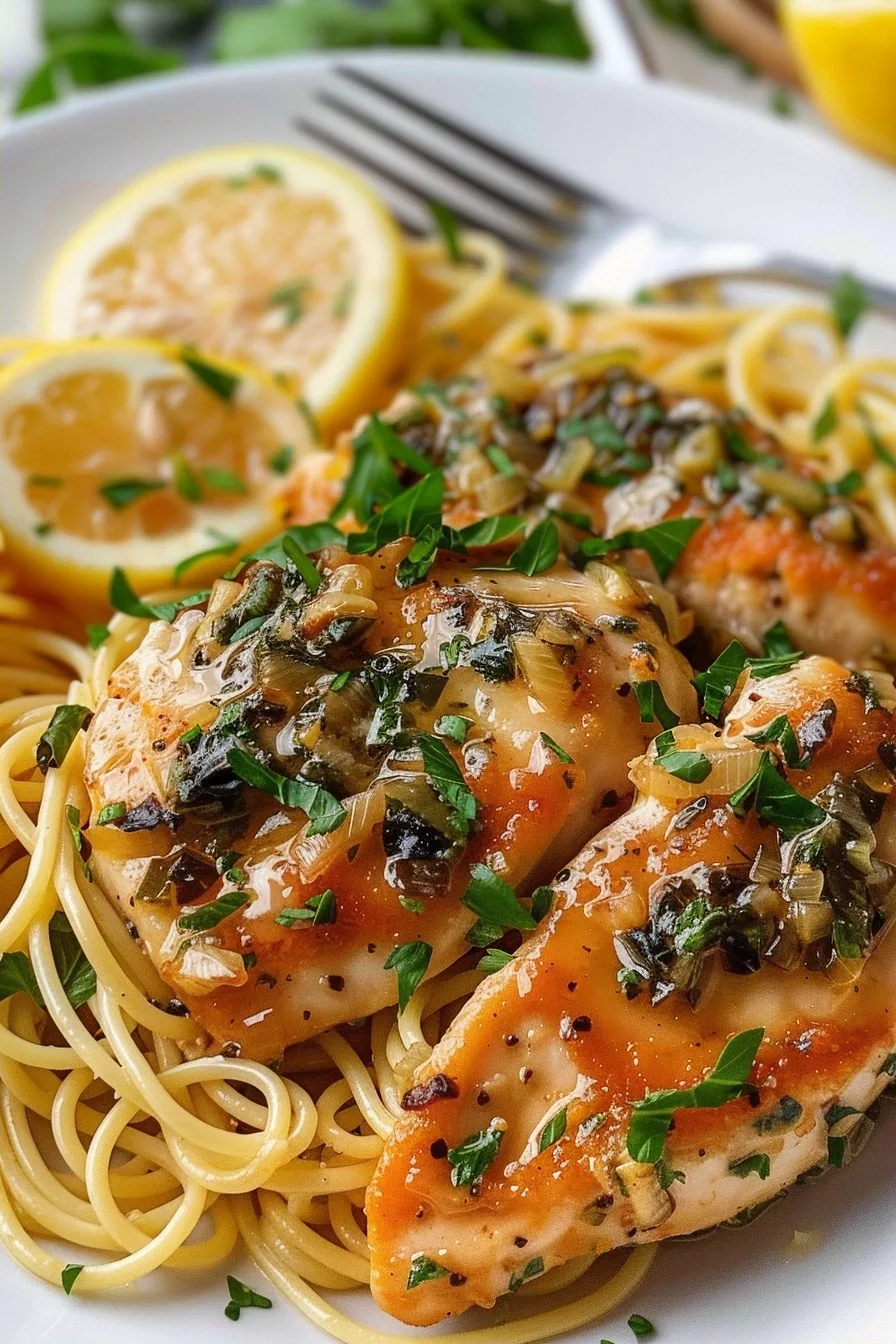
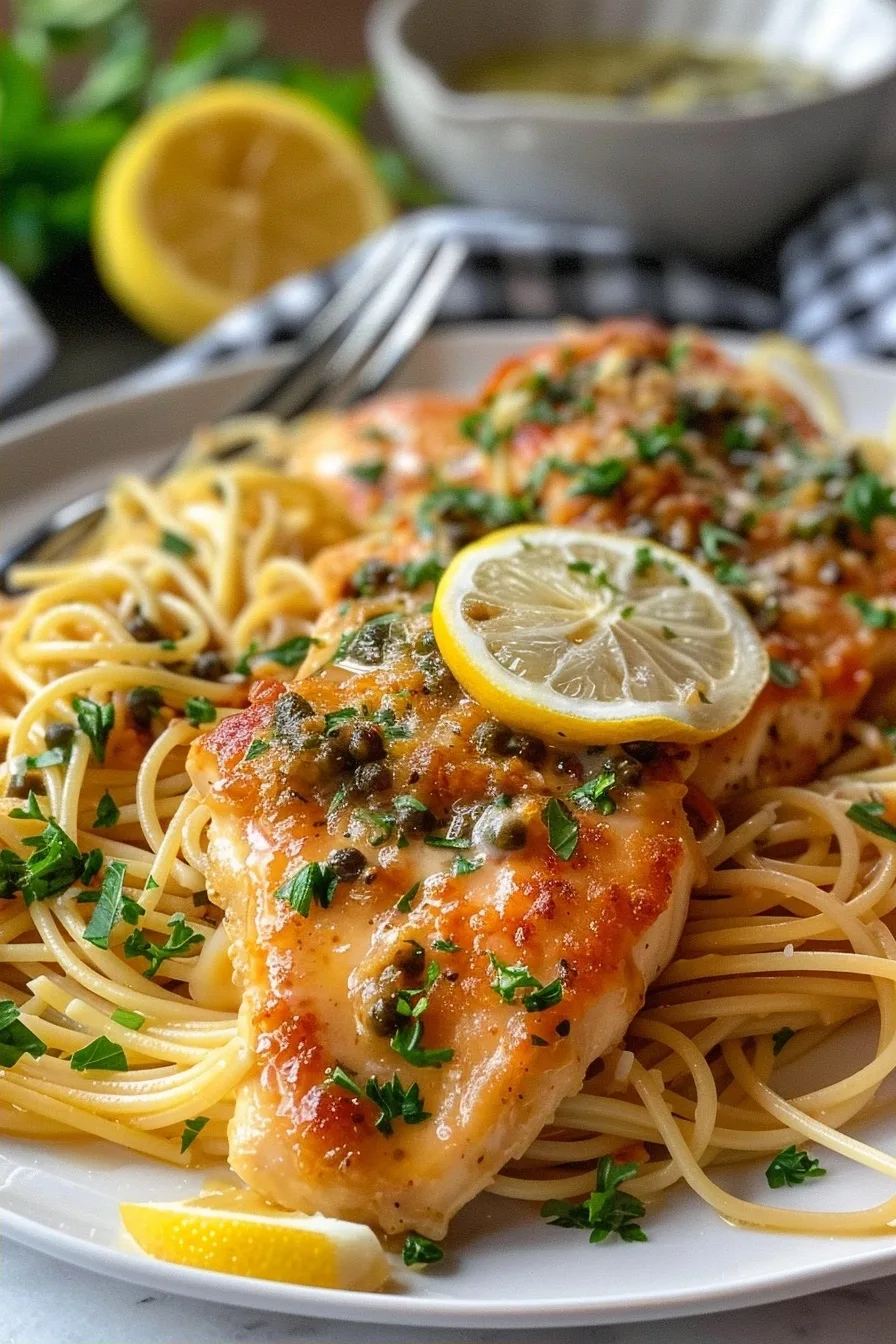
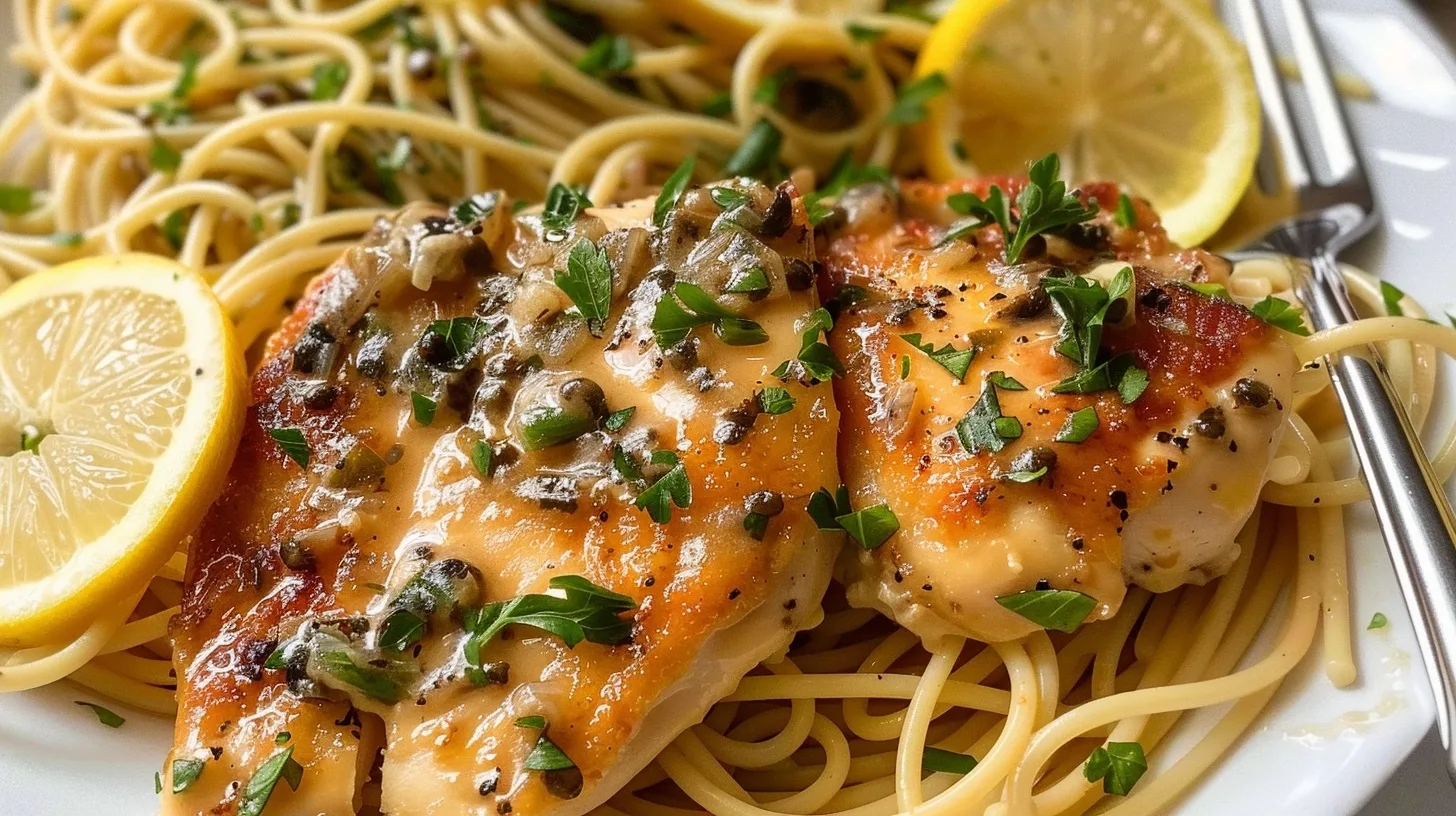
Chicken piccata with pasta features thinly pounded, golden-seared chicken cutlets served in a bright, zesty lemon and salty caper sauce. This classic Italian-inspired dish provides a balanced combination of textures and savory notes that elevate a simple midweek meal into something special. Preparing this meal requires basic pantry staples, making it an ideal choice for busy home cooks seeking quick, flavorful weeknight dinners.
Introduction to Chicken Piccata with Pasta
The essence of the perfect chicken piccata with pasta lies in the marriage of crisp, tender protein with a vibrant, acidic butter sauce. Each bite delivers a punch of citrus brightness, grounded by the briny complexity of capers and the rich finish of high-quality butter. The aroma of sizzling garlic and fresh parsley fills your kitchen, creating an inviting atmosphere that suggests a restaurant-quality meal enjoyed within the comfort of your own dining room.
This dish originates from the culinary tradition of preparing thin, lightly floured meat in a sauce that balances fat with acidity. Unlike heavier cream sauces, this preparation focuses on clean, sharp flavors that allow the delicate poultry to take center stage. It stands apart from other Italian staples by prioritizing a quick reduction over slow boiling, ensuring that the final result is fresh, lively, and never overly heavy or dull on the palate.
Targeted for anyone from beginner cooks to seasoned meal planners, this recipe fits seamlessly into any busy weekly rotation. It requires minimal active time and uses only a few accessible ingredients, ensuring success even after a long day of work. Whether you are hosting an intimate dinner for two or simply craving a sophisticated comfort food staple, this dish provides the reliability you need for a consistently satisfying experience.
Why You’ll Love This Recipe
You will appreciate the innovative technique of emulsifying butter into the sauce at the very end to create a silky, glossy coating. This crucial step transforms simple broth and lemon juice into a decadent glaze that clings perfectly to both the chicken cutlets and the strands of al dente pasta. The flavor payoff is immediate, offering a bold intensity that makes every mouthful memorable and highly satisfying for all your dinner guests.
The texture contrast between the flour-dusted, pan-seared chicken and the tender, buttery pasta creates an engaging eating experience that keeps you coming back for more. Every piece of chicken provides a slight crunch, while the pasta acts as a decadent vehicle for the tangy, lemon-infused sauce and salty bursts of capers. Visual appeal is high, as the vibrant green parsley and golden lemon slices provide a professional presentation that looks beautiful on any table.
The Perfect Weeknight Dinner
Achieving a gourmet meal at home has never been easier, as this complete main course comes together in under forty-five minutes from start to finish. By utilizing simple, high-heat searing techniques and a quick pan sauce, you minimize your time behind the stove without sacrificing the depth of flavor. Everything happens in one or two pans, keeping your cleanup process efficient and allowing you more time to actually enjoy your dinner.
Busy families will find this recipe exceptionally adaptable for meal prep or early evening cooking sessions where time feels limited. The sauce maintains its integrity well if you need to keep everything warm shortly after cooking, making it a stress-free option for those managing tight schedules. Beginners can rely on the simple, sequential steps to build confidence in the kitchen, proving that complex flavors do not always require complicated, slow-burning preparation methods.
Ingredients Needed for Chicken Piccata with Pasta
Ensuring you have all components prepped before starting ensures the cooking process remains smooth, efficient, and enjoyable for any home chef.
Main Ingredients
Below are the essential components required to construct this delicious, zesty lemon-based main course.
| Ingredient | Quantity | Notes |
|---|---|---|
| Thin Spaghetti | ¾ pound | Pasta base for the dish |
| Chicken Cutlets | 4 pieces | Protein for main plate |
| All-Purpose Flour | ½ cup | Creates a light crust |
| Chicken Broth | 1 ½ cups | Base liquid for sauce |
| Lemon Juice | 2 tablespoons | Provides signature acidity |
| Capers | 3 tablespoons | Adds salt and texture |
| Unsalted Butter | 5 tablespoons | Creates sauce richness |
| Shallots/Garlic | As specified | Aromatic flavor base |
Optional Add-Ins
Customizing your meal allows you to tailor the flavor profile to match your personal preferences while adding fresh, seasonal dimensions to the classic recipe.
| Ingredient | Quantity | Notes |
|---|---|---|
| Heavy Cream | 2 tablespoons | Extra richness and body |
| Spinach | 2 cups | Adds vibrant color/fiber |
| Red Pepper Flakes | ½ teaspoon | Adds a subtle heat |
| Parmesan Cheese | ¼ cup | Sharp savory finish |
Ingredient Substitutions
- Replace thin spaghetti with linguine to change the mouthfeel and improve how the sauce coats the thicker noodles.
- Swap chicken broth with vegetable stock for a lighter flavor, though it may change the overall color of your final sauce.
- Use arrowroot powder instead of all-purpose flour if you need a gluten-free way to achieve the necessary golden-brown crust.
- Substitute fresh shallots with diced yellow onion if you have limited pantry space, just ensure they are minced extremely fine.
Step-by-Step Cooking Instructions
Focus on managing your heat levels correctly, as this will prevent the butter from burning and ensure the sauce remains emulsified for a glossy finish. Follow the sequential order strictly to build layers of flavor that define the classic profile of this famous Mediterranean-inspired entree.
Preparing the Protein
Start by generously seasoning your chicken cutlets with salt and pepper to ensure flavor penetrates deep into the muscle fiber of the meat. Place your flour on a wide plate and dredge each cutlet, shaking off the excess until only a thin, even layer remains. Heat your olive oil in the skillet over medium heat until it shimmers, then carefully place the chicken into the pan. Cook each side for about three minutes until you achieve a beautiful golden-brown color, which indicates the flour has adequately crisp-fried.
Making the Sauce
Remove the chicken to a warm plate and add two tablespoons of butter into the residual oil within your hot skillet. Sauté the shallots and minced garlic until they become fragrant and translucent, then add the capers and deglaze the pan. Whisk in the chicken broth, lemon juice, and sliced lemons while scraping the bottom of the pan to lift all the flavorful brown bits. Allow the liquid to simmer steadily, which reduces the sauce and concentrates the bright citrus and savory notes of the broth mixture.
Assembling the Dish
Return the cooked chicken to the skillet, letting it heat through in the sauce for a brief two to three minutes. Turn off the heat completely and stir in the remaining three tablespoons of butter, moving the pan constantly so the butter melts into an emulsified, creamy sauce. Toss your al dente pasta directly into the skillet with a splash of reserved liquid to ensure every strand is perfectly coated. Arrange the chicken atop the pasta mountain, garnishing with fresh Italian parsley and the remaining lemon slices for a vibrant look.
Pro Tips
Mastering the technique of deglazing the pan with the broth ensures all the savory solids are incorporated back into your final sauce for maximum depth. Follow these professional secrets to ensure your dish comes out perfectly every single time you decide to cook it.
- Always use thin-cut chicken or pound your own to ensure even cooking, as thick pieces will dry out before the flour coating browns properly.
- Keep your heat at a steady medium level, because butter and garlic can easily burn and lead to a bitter, unpleasant flavor profile in your sauce.
- Reserve pasta water because the starch helps the butter sauce bind to the noodles, creating a cohesive dish rather than a broken or oily sauce.
- Slice your lemons thinly to maximize their surface area, allowing more citrus oils to infuse the sauce during the final stages of the brief simmering process.
- Serve the dish immediately upon finishing, because the flour coating on the chicken will lose its signature crisp texture if left to sit too long.
The most important technique is the final mounting of the sauce, where cold butter is stirred into the warm liquid away from direct heat. This process, known as monter au beurre, is how professional chefs achieve a thick, velvety consistency that coats the back of a spoon effortlessly. Do not skip this step, as it provides the essential fat content necessary to balance the sharp acidity of the lemon and the intensity of the capers.
Serving Suggestions and Variations
Pairing this dish with sides helps round out the plate, such as serving alongside a side of Roasted Asparagus for a crisp, green contrast in flavor. You might also consider a fresh Cucumber Salad to provide a cool, refreshing element that cleanses the palate between bites of the buttery sauce. A serving of crusty Garlic Bread serves as an excellent companion for soaking up any excess sauce remaining on the plate after you have finished the pasta. These sides together ensure a balanced dining experience that touches upon different textures and preparation methods to keep the meal interesting.
If you prefer a little heat, consider adding a dash of red pepper flakes during the garlic sautéing stage to infuse the oil with a subtle warmth. You can also experiment with different acid profiles by using fresh lime juice or even a splash of pomegranate molasses for a unique twist on the classic sour profile of traditional piccata. These small adjustments provide a way to customize the dish to your specific preference for spice level or fruity depth.
For a different protein experience, try swapping the chicken for thin slices of firm white fish or even sautéed tofu cutlets for a modern variation. These alternatives absorb the lemon and caper flavors beautifully, making them excellent staples for those looking to broaden their kitchen repertoire regularly. Consider exploring our other popular recipes like Creamy Tomato Basil Pasta or Lemon Herb Roasted Chicken for more inspiration, and conclude your dinner with a slice of Classic Vanilla Pound Cake.
FAQ
Can I substitute the chicken with another lean protein?
You can effectively use thinly sliced turkey breast or even firm white fish fillets like halibut to create a similar result. The flour dredging process helps protect these delicate proteins while creating that classic golden crust you expect from the dish. Simply adjust your cooking time slightly since fish typically requires less heat than poultry to reach a safe and tender perfection. This variety keeps your meal planning fresh while maintaining the integrity of the bright, citrusy sauce profile.
Is there a vegetarian version of this recipe?
You can create a delicious vegetarian variation by using thin slices of firm extra-firm tofu or hearty cauliflower steaks instead of chicken. Ensure you press the tofu well to remove excess moisture so it can achieve a satisfactory sear in your skillet. Use a high-quality vegetable stock as the base to maintain the savory depth of the sauce without needing any meat ingredients. The flavor profile remains remarkably similar, offering the same lemon and caper zing that makes the original version so popular.
How should I store leftover piccata?
Place your leftovers in an airtight container and store them in the refrigerator for up to three days for optimal freshness. To reheat, add a small splash of water or broth to the pan with the chicken and pasta to loosen the sauce. Warm the mixture gently on the stovetop over low heat until the chicken reaches a safe temperature and the pasta is thoroughly heated through. Avoid using the microwave if possible, as it can make the chicken texture rubbery and cause the pasta to clump tightly.
Can I prepare the components ahead of time?
You can significantly simplify your dinner preparation by pre-measuring your ingredients and pounding the chicken cutlets early in the day. Keep the seasoned, dredged chicken in the refrigerator until fifteen minutes before you plan to cook them for the best results. The sauce ingredients such as minced garlic and shallots can also be prepped in advance and stored in small bowls. Having these tasks completed ahead of time ensures that the actual cooking process is effortless and stress-free when you are ready to eat.
Why did my sauce separate or look greasy?
Sauce separation usually occurs if the butter is added while the pan is still at a high temperature or if the pan becomes too hot. Always turn off your stove before adding the final cold butter and stir continuously until the sauce achieves a glossy, emulsified look. If the sauce does separate, add a teaspoon of cold water or pasta water and whisk vigorously to bring it back together. Maintaining control over the temperature is the secret to a smooth, velvety finish that clings beautifully to your pasta strands.
Easy Chicken Piccata with Pasta
Ingredients
Method
- Cook the pasta in a large pot of salted boiling water according to package directions, then drain.
- Season the chicken cutlets with salt and pepper, then dredge thoroughly in the flour, shaking off any excess.
- Heat olive oil and 1 tablespoon of butter in a large skillet over medium-high heat.
- Sear chicken for 3 to 4 minutes per side until golden brown and cooked through, then remove from the pan.
- Add the remaining butter to the same pan and sauté the garlic for one minute until fragrant.
- Pour in the chicken broth and lemon juice, scraping up any browned bits from the bottom.
- Stir in the capers and let the sauce simmer for 3 minutes to reduce slightly.
- Return the chicken to the skillet, coat with the sauce, and sprinkle with fresh parsley.
- Serve the chicken and sauce immediately over the cooked pasta.