Sticky Korean Ground Beef Bowls deliver a perfect balance of savory, sweet, and spicy flavors in every satisfying bite. This versatile dish relies on fresh ginger, pungent garlic, and earthy gochujang paste to create a deep, umami-rich glaze that coats tender browned beef. You will find that this fast, flavorful meal provides an ideal solution for busy weeknights when you need dinner ready in under thirty minutes.
Introduction to Sticky Korean Ground Beef Bowls
Sticky Korean Ground Beef Bowls feature a beautiful interplay of textures, ranging from the crispy edges of the browned protein to the soft, fluffy jasmine rice base. The aroma of sesame oil and toasted seeds fills your kitchen immediately, creating a sensory experience that rivals your favorite takeout options found at local restaurants. Every spoonful offers a balanced bite, combining the intense, fermented heat of the chili paste with the foundational sweetness of brown sugar. This dish feels incredibly comforting on long, tiring workdays, as it delivers substantial protein and satisfying carbohydrates that keep energy levels stable all evening.
This recipe belongs to the category of modern fusion cooking, taking classic Korean flavor profiles and adapting them into a format that favors speed and accessibility. While traditional bulgogi often requires thinly sliced ribeye and long marination times, this version mimics those beloved notes using affordable ground beef. The approach respects the essential ingredients found in authentic pantries, such as gochujang, while simplifying the production process for the modern home cook. By focusing on the reduction of the sauce, you unlock the signature stickiness that gives this classic dish its iconic name and culinary identity.
You should consider this recipe an essential addition to your repertoire if you value efficient meal planning and consistently high-quality homemade dinners. It serves as an excellent option for families because the spice levels remain customizable depending on how much gochujang you choose to incorporate during the sauce preparation stage. Whether you need an impressive dinner for friends or a quick, reliable staple for your own weekly meal rotation, this recipe provides consistent results every single time you cook it in your home kitchen.
Why You’ll Love This Recipe
The star of this dish is undoubtedly the robust stir-fry sauce, which highlights a perfect ratio of fermentation, salt, and heat. Using freshly grated ginger and garlic provides a sharp, aromatic quality that standard pre-minced jars simply cannot replicate in a professional home kitchen environment. You will appreciate how quickly the brown sugar caramelizes when combined with the soy sauce and beef fat, creating a glossy, irresistible coating.
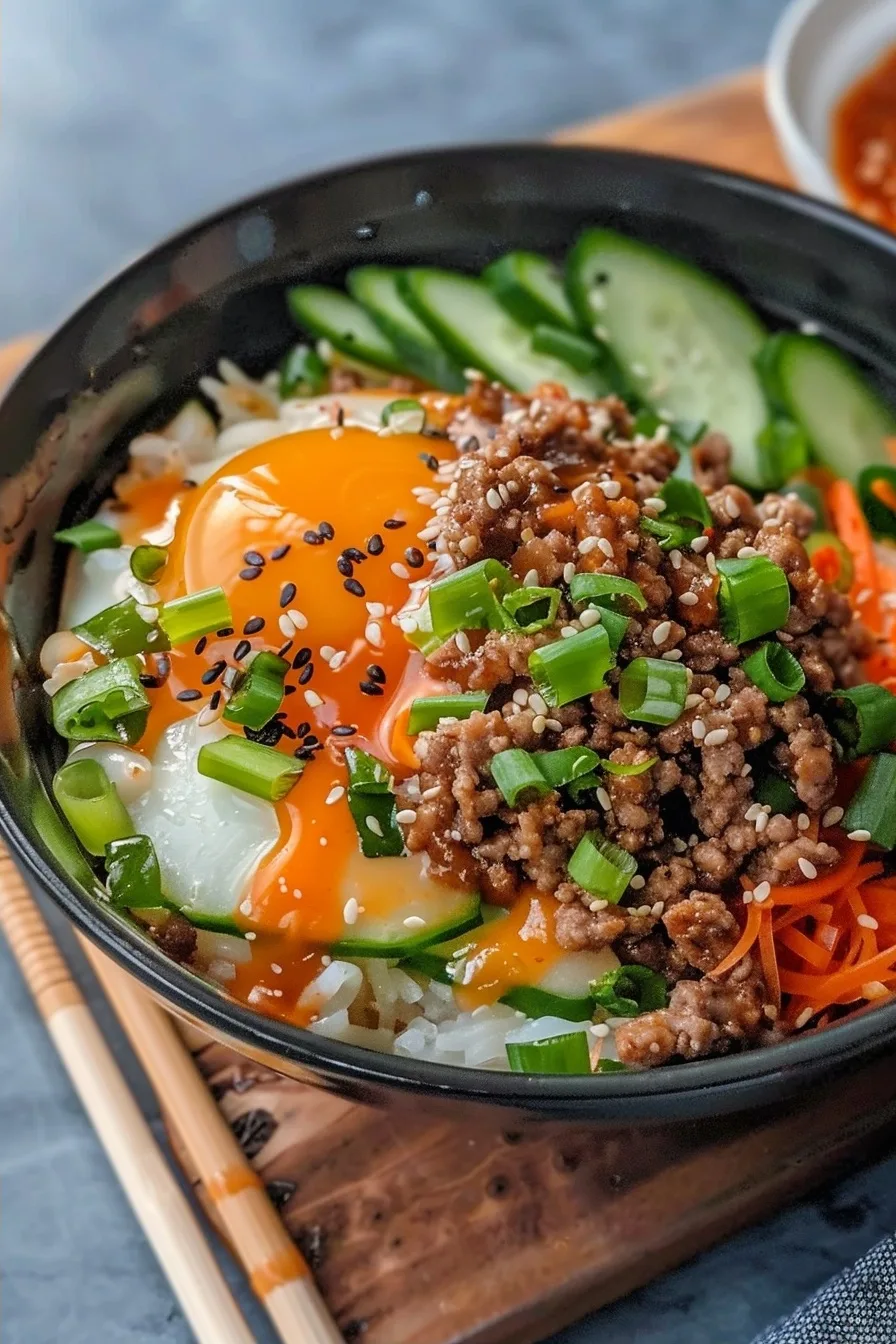
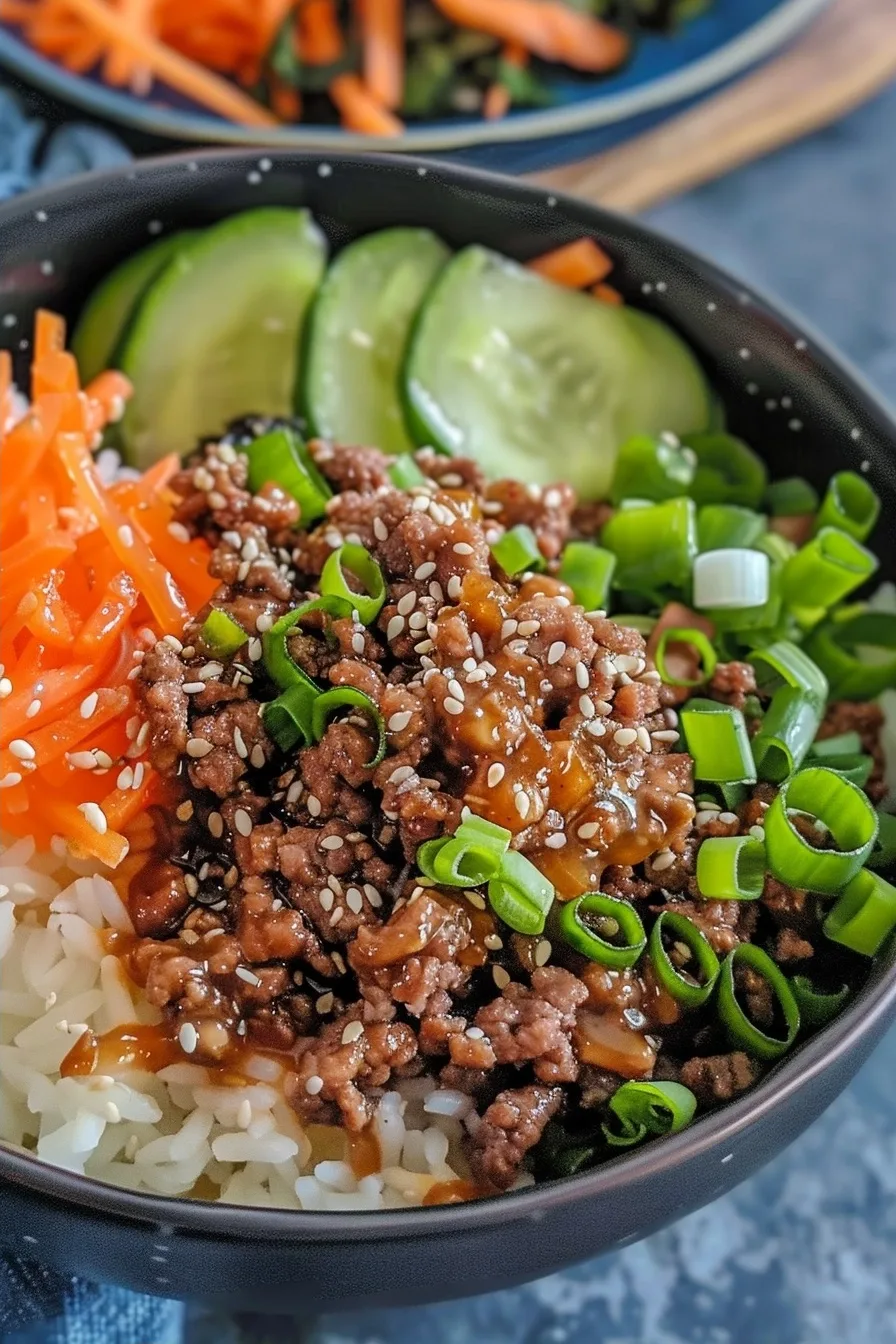
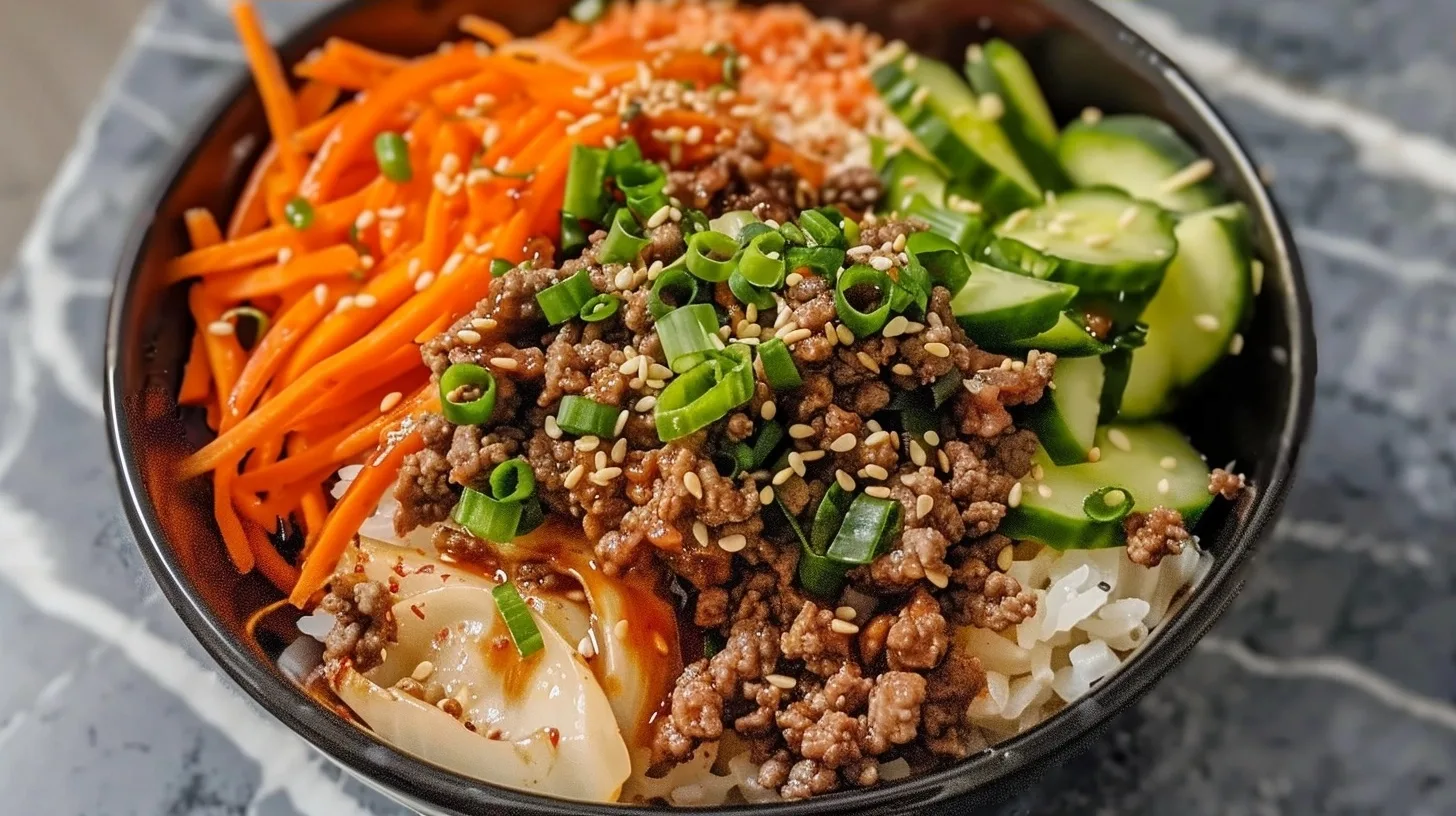
Each bowl provides a delightful contrast between the hot, savory beef and the cool, crunchy fresh vegetables like cucumber and carrots. The visual appeal of the vibrant orange carrots placed beside the dark, glistening beef creates a restaurant-quality presentation that makes dinner feel special. You satisfy your cravings on multiple levels, as the dish covers salty, sweet, sour, and spicy profiles simultaneously in one single convenient package.
The Perfect Weeknight Dinner
Achieving a nutritious dinner remains simple with this recipe because the entire cooking process concludes in under forty-five minutes from start to finish. You only need a single large frying pan to execute the protein and the sauce, which significantly reduces the amount of cleaning required after you complete the meal. The assembly is straightforward, allowing even inexperienced cooks to produce a delicious, well-balanced final product that looks and tastes like a complex culinary creation.
This recipe functions exceptionally well for individuals who enjoy meal prepping, as both the sauce components and the cooked beef store beautifully in the refrigerator. You can multitask by cooking your jasmine rice while the beef browns, effectively optimizing your time in the kitchen to ensure everything finishes simultaneously. Busy families find this dish particularly appealing because the components rely on accessible grocery store ingredients that you likely already have sitting in your pantry.
Ingredients Needed for Sticky Korean Ground Beef Bowls
Main Ingredients
The following table outlines the foundational components required to construct the primary, authentic flavor profile of this bold and savory beef dish.
| Ingredient | Quantity | Notes |
|---|---|---|
| Garlic | 1 tsp | Base aromatic |
| Ginger | 1 tsp | Zesty brightness |
| Soy sauce | 3 tbsp | Umami foundation |
| Brown sugar | 2 tbsp | Caramelization agent |
| Sesame oil | 1 tbsp | Nutty aroma |
| Gochujang | 1 tbsp | Spicy heat source |
| Rice vinegar | 1 tsp | Acidic balance |
| Sesame seeds | 1 tbsp | Crunchy garnish |
| Olive oil | 2 tbsp | Cooking medium |
| Ground beef | 500 g | Protein base |
| Spring onions | 2 stalks | Fresh flavor pop |
Optional Add-Ins
You can easily customize this recipe by introducing extra textures or mild vegetable additions that complement the primary sauce profile without overpowering the dish. Consider these additions if you want to increase the overall volume or add a unique personal twist to your bowl.
| Ingredient | Quantity | Notes |
|---|---|---|
| Edamame | 1/2 cup | Adds plant protein |
| Baby spinach | 1 cup | Wilted greens integration |
| Shiitake mushrooms | 4 units | Deep earthy depth |
| Red chili flakes | 1/2 tsp | Extra spicy kick |
Ingredient Substitutions
- Soy sauce: Use tamari for a gluten-free alternative that maintains the same deep, savory depth of flavor.
- Brown sugar: Substitute with coconut sugar or honey to adjust the sweetness profile and create a slightly different caramelization texture.
- Ground beef: Replace with ground turkey for a leaner, lighter protein option that absorbs the sauce flavors incredibly well.
- Rice vinegar: Use apple cider vinegar if you lack rice vinegar, as it offers a similar level of necessary balancing acidity.
Step-by-Step Cooking Instructions
Follow these precise steps to build the layers of flavor that make this dish stand out as a premier home-cooked meal option. You must pay attention to the color of the beef and the consistency of the glaze to ensure the perfect finish for your bowl.
Phase 1: Preparing the Sauce
Start by selecting a small mixing bowl to combine your garlic, ginger, soy sauce, sugar, sesame oil, and gochujang paste. Whisk these ingredients vigorously until the sugar fully dissolves, ensuring the mixture appears smooth and clump-free before you even touch the stove. A well-mixed sauce prevents localized saltiness and ensures every piece of beef receives an even coating of the delicious flavor base. Set this bowl aside while you heat your pan, allowing the flavors to meld slightly as the garlic and ginger infuse into the liquid base.
Phase 2: Cooking the Protein
Heat your olive oil in a wide frying pan over medium-high heat until it shimmers, signaling it is ready for the meat. Add the ground beef and break it into small pieces using a wooden spoon to encourage uniform browning throughout the cooking process. Continue cooking until the red color disappears entirely and replace it with a deep, caramelized brown hue across all surfaces of the meat. Drain any excess fat if your beef is particularly high in fat content, as too much grease might prevent the sauce from sticking properly.
Phase 3: Assembling the Dish
Pour your prepared stir-fry sauce over the browned beef and stir constantly to ensure the liquid reaches every corner of the pan. Let the mixture simmer for approximately two to three minutes, keeping a close watch as the liquid bubbles and thickens into a glossy, dark glaze. Once the sauce coats the beef perfectly and the pan smells pungently fragrant, remove it from the heat immediately. Stir in the sliced spring onions while the heat is still residual, as this preserves their bright green color and keeps their flavor vibrant for the final serving.
Pro Tips
You should prioritize high heat during the browning stage to ensure the beef develops a savory crust rather than simply steaming in its own juices. Achieving this Maillard reaction provides the essential depth that elevates mediocre ground beef into something truly spectacular.
- Use fresh ginger: Freshly grated ginger offers a bright, zesty bite that powdered ginger simply cannot replicate in this concentrated sauce profile.
- Don’t skip the vinegar: The rice vinegar cuts through the richness of the beef fat and the sugar, preventing the meal from feeling too heavy or one-dimensional.
- Control the heat: Adjust your gochujang quantity to suit your preferences, as the fermentation level can vary between different brand manufacturers found at the market.
- Toast the seeds: Briefly toasting your sesame seeds in a dry pan enhances their nutty flavor profile significantly before you sprinkle them over the bowl.
- Rest the sauce: Allowing the sauce to sit for a few minutes while you cook the rice lets the aromatics deepen into the liquid, maximizing the final taste.
The secret to mastering this recipe lies in the thickening stage of the sauce reduction. You must remain at the stove during these final minutes, watching closely as the bubbly liquid transforms into a sticky glaze that clings to the meat. If you remove the pan too early, the mixture remains watery, but waiting too long risked burning the sugars, so precision is key to perfection.
Serving Suggestions and Variations
Pairing with Sides
A balanced bowl requires fresh, contrasting elements that stand against the intensity of the sticky beef mixture. Serving this with a side of Cucumber Salad provides a cooling, acidic crunch that refreshes the palate between spicy bites of the main course. You might also consider adding a portion of Steamed Baby Bok Choy for a healthy, vibrant green vegetable touch that adds subtle earthy sweetness. Finally, always include a generous amount of Kimchi on the side, as its fermented punch perfectly matches the profile of the gochujang in the beef.
Creative Variations
For those who love heat, add extra chili oil or fresh sliced bird’s eye chilies directly into the pan during the final minute of cooking. This modification dramatically increases the spiciness, providing a lingering warmth that satisfies intense heat seekers without requiring massive ingredient changes. Always taste the sauce before adding the beef to ensure the existing spicy notes match your personal tolerance levels before making it even hotter.
Swap the ground beef for ground pork or a mixture of pork and beef to achieve a richer texture and deeper savory profile common in many traditional dishes. If you prefer a coastal twist, try using ground chicken or turkey and add a splash of fish sauce to simulate a deeper, more complex umami depth. These alternative protein choices adapt quickly to the sauce, making them excellent candidates for when you want to experiment with common pantry ingredients already on hand.
Explore more favorites by trying our Garlic Ginger Stir Fry or the popular Korean Fried Chicken Bites for your next protein-heavy dinner rotation. Finish your meal on a cooling note by serving a bowl of Sweetened Rice Cakes or a simple chilled fruit platter. Relying on these tried and tested combinations ensures that your home-cooked meals offer variety while staying within a cohesive flavor theme that your entire family will enjoy regularly.
FAQ
Can I substitute the gochujang for another ingredient?
You can substitute the gochujang with a combination of miso paste and red pepper flakes or chili powder if you cannot locate the specialty ingredient. This will provide a similar depth of flavor and color, though you will lose the unique fermented sweetness original to gochujang. Using a mix of these ingredients ensures your dish remains authentic in character while remaining accessible regardless of your local store inventory. Start with a smaller amount of the substitutes and adjust to taste to achieve the desired balance of salt and heat for your kitchen.
How do I make this dish suitable for vegetarians?
Replace the ground beef with a high-quality meat alternative like finely crumbled firm tofu or plant-based meat crumbles to maintain the desired structural integrity. You will follow the exact same cooking process, ensuring the meat alternative browns properly before adding the sauce to ensure the proper texture. Crisping the tofu in a separate pan before adding the sauce will provide a superior mouthfeel compared to soft soy products that might break apart during the stir-fry phase. This creates a high-protein, vegetarian-friendly version of the bowl that retains all the signature, sticky, sweet, and spicy flavors of the original recipe.
How long can I store the leftovers in the refrigerator?
You can safely store leftovers of this dish in an airtight container within your refrigerator for up to three full days after initial preparation. Ensure you allow the mixture to cool down completely to room temperature before placing it into the container to prevent condensation from affecting the texture. Reheat the food thoroughly in a skillet over medium heat, adding a tiny splash of water to revive the sticky sauce if it appears slightly too thick during the process. Proper storage preserves the safety of the protein and the vibrancy of the sauce perfectly for quick lunches or dinners the following day.
What is the best strategy for making this ahead of time?
The best make-ahead strategy involves preparing the stir-fry sauce and the cooked beef separately, then combining them just before you serve the final meal to guests. Store the cooled, cooked beef in one container and keep the sauce in a small jar to prevent the meat from becoming overly saturated during the resting time. When you are ready to eat, simply heat the beef in a pan, pour the sauce over it, and follow the thickening instructions for the final three minutes of cooking time. This approach guarantees a fresh-tasting, restaurant-quality result that maintains the perfect sticky texture for your dinner party or busy weeknight routine.
Why did my sauce burn instead of becoming sticky?
Your sauce likely burned because the heat setting remained too high during the final reduction phase, causing the sugar to pass from caramelization into carbonization. You must reduce the flame to a medium or medium-low setting once the sauce bubbles, allowing the moisture to evaporate gradually rather than flashing off instantly. If you find the liquid is disappearing too quickly, move the pan off the heat for a few seconds to regulate the temperature of the sugar. Staying at the stove and stirring constantly during these critical final minutes will prevent localized burning and result in the perfect glaze you desire.
Sticky Korean Ground Beef Bowls
Ingredients
Method
- Heat the sesame oil in a large skillet over medium-high heat.
- Add the ground beef and cook until browned, breaking it apart with a spatula.
- Drain excess fat if necessary.
- Stir in the minced garlic and grated ginger and cook for 1 minute until fragrant.
- In a small bowl, whisk together soy sauce, brown sugar, gochujang, and rice vinegar.
- Pour the sauce over the beef and let it simmer for 3-5 minutes until the sauce reduces and becomes sticky.
- Serve the beef immediately over bowls of fluffy jasmine rice.
- Garnish with fresh cucumbers, shredded carrots, and a sprinkle of toasted sesame seeds.