The Loaded Baked Potato Chicken Casserole serves as a hearty, complete meal that combines tender chicken with fluffy potatoes and savory toppings. This comforting dish brings together the classic flavors of a loaded potato in a convenient, crowd-pleasing casserole format that requires minimal effort to prepare. Busy home cooks appreciate how this recipe transforms simple pantry staples into a satisfying, restaurant-quality dinner experience.
Introduction to Loaded Baked Potato Chicken Casserole
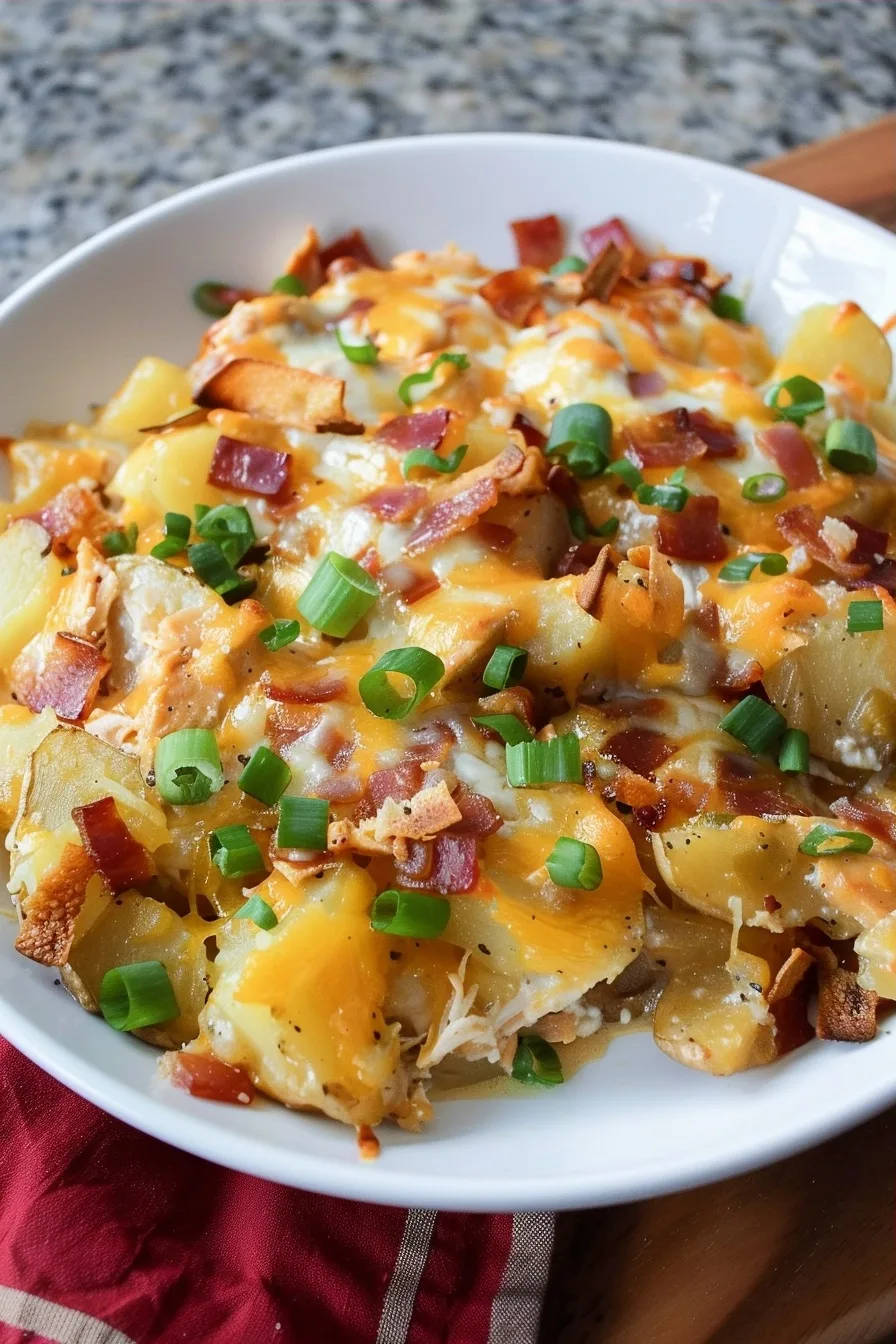
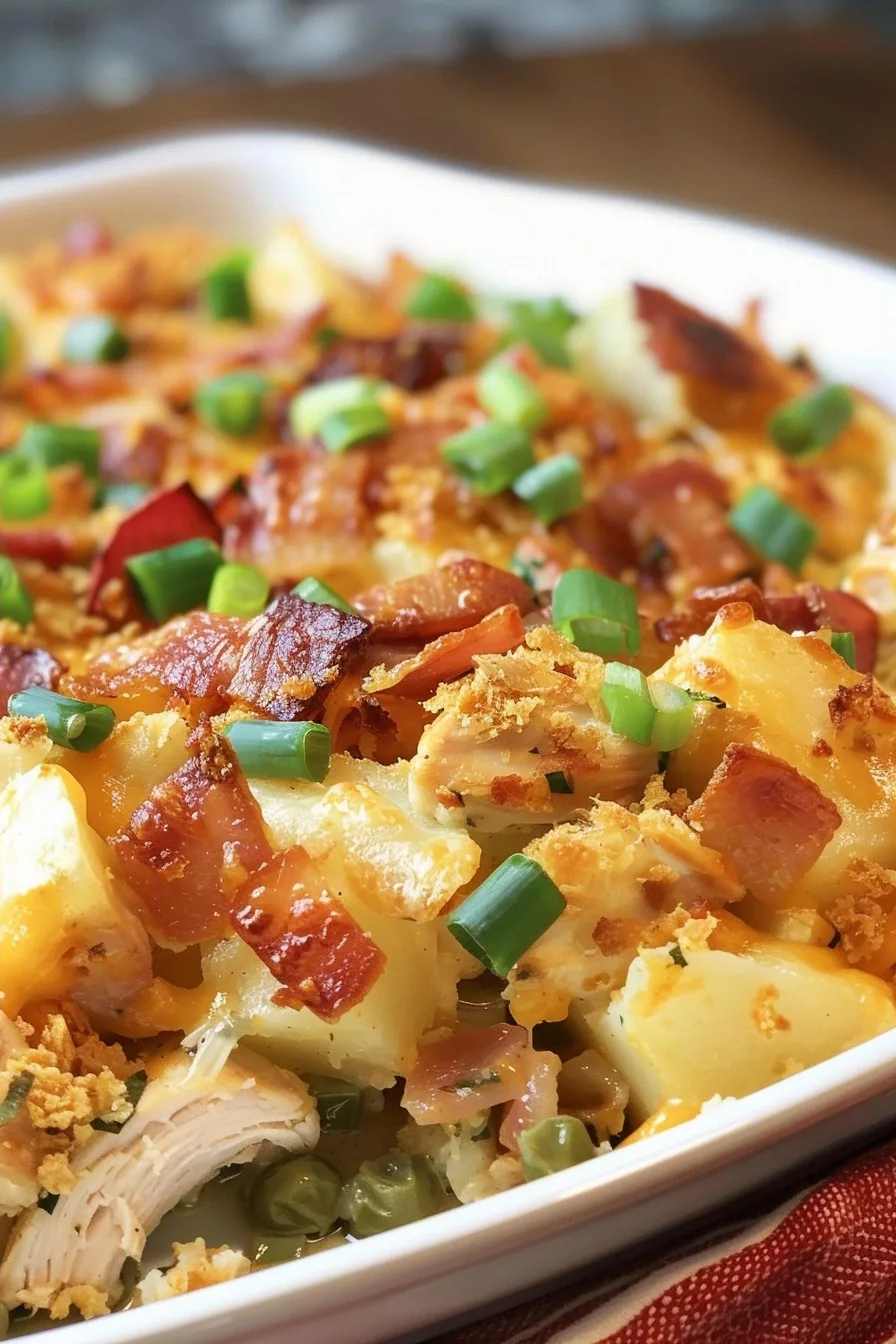
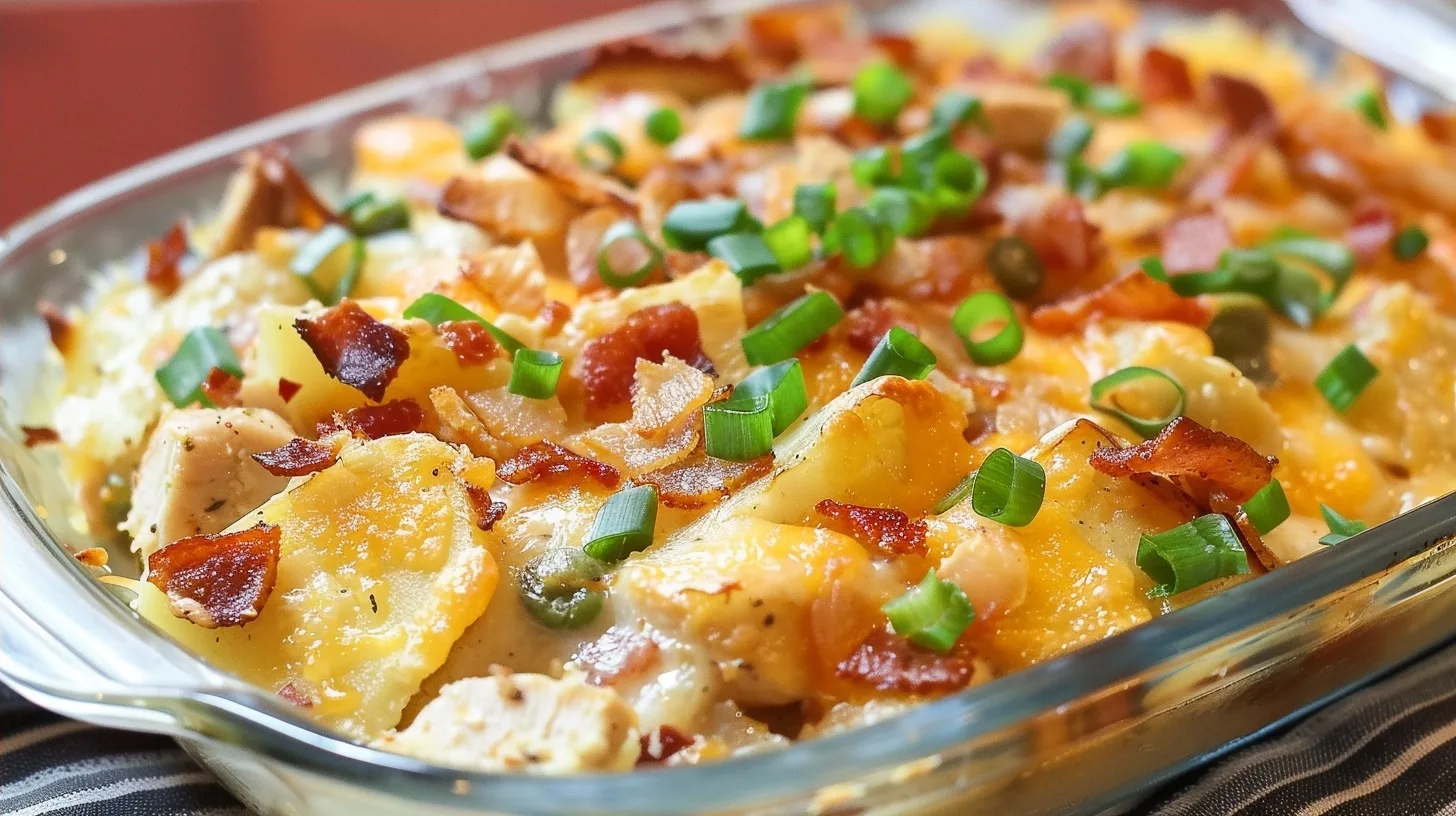
This savory dish features tender cubes of chicken breast nestled between layers of buttery, parboiled potatoes that soak up every bit of seasoned cream. The aroma of melting cheddar cheese combined with the sharp bite of fresh green onions creates an irresistible scent that fills the entire kitchen during baking. Each mouthful offers a delightful contrast between the creamy, soft potato interiors and the perfectly cooked, succulent pieces of seasoned poultry throughout the pan.
The culinary concept of this casserole draws inspiration from traditional pub-style baked potatoes which are prized for their versatility and high comfort factor. While standard baked potatoes take significant time to roast individually, this layered approach ensures that every portion receives an even distribution of toppings and moisture. By integrating the chicken directly into the cooking process, the dish achieves a cohesive flavor profile that separates it from mere side dishes and elevates it into a substantial entree.
Home cooks seeking a reliable weeknight staple will find that this recipe fits perfectly into a rotation of simple, family-friendly meals. It suits casual family dinners, weekend gatherings, or even potluck events where you need something substantial that keeps well in a warm serving dish. Once you master the simple layering technique, you will find yourself reaching for this reliable recipe whenever the desire for a classic, filling meal arises.
Why You’ll Love This Recipe
The true magic of this dish lies in the parboiling technique which ensures that the potatoes reach perfect tenderness simultaneously with the chicken breasts. This careful preparation guarantees that you never encounter a raw or crunchy potato piece when you sit down to enjoy your well-deserved dinner. The heavy cream acts as a bridge for all the flavors, creating a luscious sauce that binds the ingredients together into a harmonious final product.
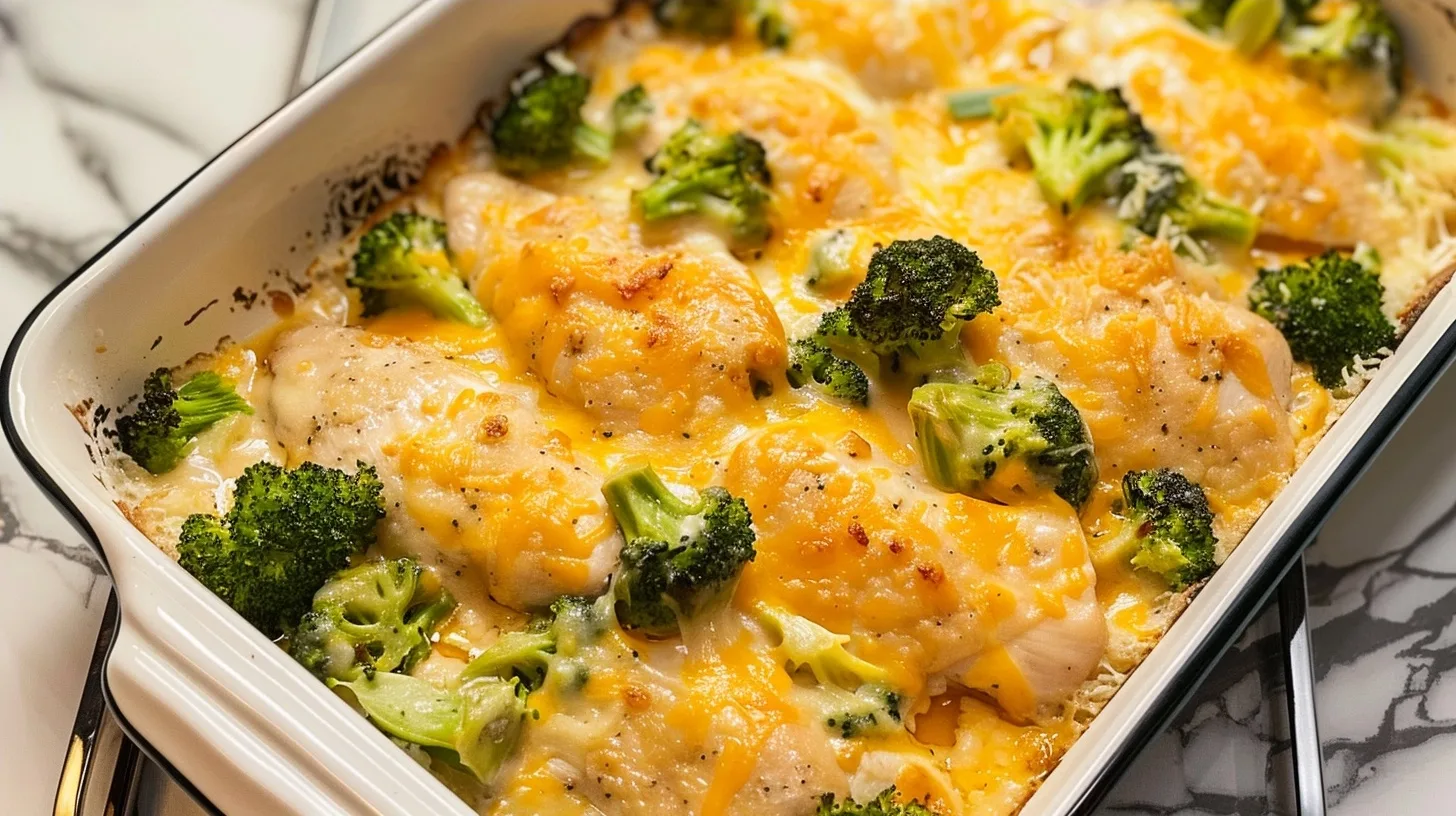
Beyond the flavor, the visual appeal of a bubbling, golden brown casserole topped with vibrant green onions makes it a centerpiece for any kitchen table. Every forkful delivers a perfect balance of salty, creamy, and savory notes that satisfy even the most discerning appetites. Because the dish incorporates protein, starch, and vegetables in a single pan, it provides a well-rounded meal that requires almost no additional preparation.
The Perfect Weeknight Dinner
Achieving a high-quality homemade dinner is surprisingly simple with this recipe which is designed to be ready for the oven in under fifteen minutes. The minimal active work time allows you to focus on other household tasks or relaxing while the oven does the heavy lifting of roasting the ingredients. Because the total baking time is predictable, you can easily plan your evening schedule around the casserole without worrying about complex timing constraints.
This recipe functions exceptionally well for busy families who need to prepare meals in advance for quick heating during hectic weekday schedules. Beginner cooks will find the instructions straightforward and forgiving, as the casserole format prevents common issues like dry chicken or uneven cooking. Whether you are cooking for a large group or simply want leftovers for the next day, this dish maintains its quality and moisture beautifully upon reheating.
Ingredients Needed for Loaded Baked Potato Chicken Casserole
Gather these essential components to build a robust and flavorful casserole that will satisfy your entire family during your next dinner.
| Ingredient | Quantity | Notes |
|---|---|---|
| Russet Potatoes | 3-4 medium | Base starch providing bulk |
| Chicken Breasts | 1 lb. | Primary protein source |
| Beef-style Turkey Bacon | 4 slices | Crispy savory element |
| Cheddar Cheese | 1.5 cups | Adds rich creaminess |
| Green Onions | 4 stalks | Fresh aromatic finish |
| Heavy Cream | 0.5 cup | Binds flavors together |
| Butter | 2 tbsp | Adds depth and richness |
Optional Add-Ins
Customizing your casserole allows you to tailor the flavor profile to your personal preferences or use up ingredients already sitting in your refrigerator. Consider adding these simple extras to introduce new textures or flavor dimensions to your final baked dish.
| Ingredient | Quantity | Notes |
|---|---|---|
| Sour Cream | 1/4 cup | Adds tanginess |
| Garlic Powder | 1 tsp | Boosts savory notes |
| Red Pepper Flakes | 1/2 tsp | Adds subtle heat |
| Broccoli Florets | 1 cup | Adds extra nutrients |
Ingredient Substitutions
- Replace russet potatoes with Yukon gold potatoes for a creamier texture that holds its shape slightly better during the longer baking process.
- Swap heavy cream with a mixture of milk and a tablespoon of cornstarch if you prefer a lighter, lower-fat sauce consistency for your casserole.
- Substitute turkey bacon with smoked paprika-dusted chickpeas if you are looking to increase the fiber content while maintaining a salty, crunch element.
- Use sharp white cheddar instead of orange cheddar to create a more sophisticated flavor profile that pairs beautifully with the fresh green onion finish.
Step-by-Step Cooking Instructions
Following a methodical approach ensures that each component of the casserole cooks at the correct speed to achieve perfect results. Pay close attention to the visual cues as you progress through these three distinct phases of assembly and cooking.
Preparing the Protein and Starch
Start by heating your oven to 350 degrees Fahrenheit and greasing your square baking pan to prevent any sticking during the baking cycle. Peel and dice your russet potatoes into uniform half-inch pieces to ensure that every potato cube cooks at exactly the same rate in the boiling water. Boil the potatoes for exactly five minutes, then drain them thoroughly so that excess water does not dilute the cream sauce later in the process. Dice your chicken breasts into small, bite-sized cubes that match the size of the potato pieces for a consistent and professional final texture.
Assembling the Layers
Layer half of the parboiled potatoes into the bottom of your prepared pan to create a solid foundation for the remaining ingredients. Place the chicken pieces evenly over the potatoes and sprinkle them generously with the salt, pepper, half of your cooked bacon, cheese, and green onions. Repeat this exact layering process with the remaining potatoes, bacon, cheese, and aromatics, ensuring that the top layer is visually appealing and ready for the liquid. This dual-layer approach allows the flavors of the bacon and cheese to permeate both the top and bottom sections of the chicken and potato mixture.
Baking to Perfection
Pour the heavy cream over the entire surface of the casserole, allowing it to settle into the crevices and provide much-needed moisture for the chicken. Dot the surface with small pieces of butter to ensure a golden, rich finish that adds a depth of flavor as it melts into the sauce. Cover the dish with aluminum foil to trap the steam and moisture, then bake for sixty minutes before removing the foil for the final thirty-minute browning stage. During the last few minutes, add the final portion of cheese and wait until the top is bubbling and the chicken is fully cooked through with a white, opaque center.
Pro Tips
Mastering this simple recipe requires attention to detail, especially regarding the moisture levels and the size of the ingredients during the initial preparation stage. Follow these professional recommendations to ensure your casserole turns out exactly as intended every time you decide to make it for dinner.
- Always use high-quality, sharp cheddar cheese because mild varieties tend to disappear into the sauce without providing enough depth of flavor. If you use freshly grated cheese, it will melt significantly better than pre-packaged shredded versions which often contain anti-caking agents that hinder proper melting.
- Do not skip the parboiling step for your potatoes, as this process ensures they reach a soft texture before the chicken finishes cooking in the oven. Without this step, the potatoes may remain hard and starchy even after the chicken has become dry and overcooked.
- Ensure the chicken pieces are cut to a uniform size to avoid having some pieces dry out while others remain undercooked in the center. Uniformity is the secret to a professional casserole that provides consistent results across every single serving in the pan.
- Let the casserole rest for at least ten minutes after taking it out of the oven to allow the cream sauce to thicken properly. Cutting into the dish immediately will cause the sauce to run across the plate rather than coating the chicken and potatoes as intended.
- Use a heavy-duty foil tent to keep the moisture inside during the initial hour of baking, which is vital for maintaining chicken tenderness. Removing the foil for the final half-hour allows the top layer of cheese to develop a beautiful golden brown color and crispy texture.
The most important technique in this entire recipe is the precise control of moisture through the combination of parboiling and using a covered baking method. When you cover the dish with foil, you effectively braise the chicken and potatoes in the cream, which infuses them with a level of richness that simple roasting cannot replicate. This combination ensures that the final result remains tender and creamy rather than becoming dry or crumbly after the long baking time.
Serving Suggestions and Variations
Pairing with Sides
This rich and hearty casserole pairs perfectly with a crisp garden salad featuring a light vinaigrette to cut through the creaminess of the potatoes. Consider serving it alongside our Garlic Roasted Asparagus to add a fresh green element that cleanses the palate after the savory main course. A side of Honey Glazed Carrots offers a touch of natural sweetness that contrasts nicely with the savory cheese and bacon profile of the casserole. Finally, a simple loaf of warm, crusty bread is excellent for soaking up any remaining cream sauce left at the bottom of the baking dish.
Creative Variations
If you prefer a spicy kick to your meal, try adding chopped jalapeños to the layers or mixing a teaspoon of cayenne pepper into the cream sauce before pouring. You can also swap the black pepper for crushed red chili flakes to provide a more consistent heat that distributes evenly throughout the entire dish. These small adjustments transform the comfort food classic into a bold, flavorful entree that wakes up the taste buds.
For those looking to switch up the protein, you can easily replace the chicken breasts with pre-cooked shredded turkey or even smoked tofu for a vegetarian twist. Using sweet potatoes instead of russet potatoes adds a wonderful earthiness and natural sweetness that complements the salty bacon and cheese perfectly. Do not be afraid to experiment with different types of hard cheeses like gouda or gruyere to create a more complex flavor profile for your dinner.
Explore more of our comforting classics by trying our Creamy Potato Soup or our Cheesy Chicken Bake for equally satisfying meals. Finish your dinner on a high note by pairing this savory casserole with a slice of Classic Apple Pie for the ultimate comfort food experience that will have everyone asking for seconds. Each of these recipes shares the same commitment to simple, wholesome ingredients that bring people together around the table.
FAQ
How can I substitute the heavy cream if I do not have any on hand?
You can substitute the heavy cream by mixing whole milk with a small amount of melted butter or cornstarch to achieve a similar consistency. While the fat content will be lower, the thickening agent ensures the sauce still coats the potatoes and chicken effectively during the baking process. If you have plain Greek yogurt available, you can thin it with a little milk for a tangy alternative that works well in casseroles. Ensure you whisk your substitute ingredients thoroughly before pouring them over the dish to avoid any clumps in the final sauce.
Is there a way to make this casserole vegetarian-friendly?
You can make this dish vegetarian by omitting the chicken and using chickpeas or extra vegetables like cauliflower florets as your primary bulk ingredients. Simply replace the poultry with hearty vegetables that can withstand a long baking time without losing all their texture during the heat cycle. If you want a protein-dense alternative, use a high-quality meat substitute or double the amount of cheese for a decadent, vegetarian-friendly feast. Just ensure you adjust the baking time slightly if you are using delicate vegetables to prevent them from becoming too mushy.
How long can I store the leftovers in the refrigerator?
You can store your leftover casserole in an airtight container in the refrigerator for up to three days after the initial preparation date. To reheat, place a single portion in the microwave or cover the entire dish with foil and heat it in the oven at 300 degrees until warmed through. Freezing is not recommended because the dairy-based sauce tends to separate and the potato texture changes significantly during the thawing process. Always ensure your leftovers are cooled to room temperature before placing them in the fridge to maintain the best food safety standards.
Can I assemble this dish in advance to save time?
You can definitely assemble the casserole components in advance and store the covered dish in the refrigerator for up to twenty-four hours before baking. If you choose to do this, make sure to add an extra ten to fifteen minutes of total baking time to account for the cold temperature of the ingredients coming straight from the fridge. Pour the heavy cream over the dish just before putting it into the oven to prevent the potatoes from absorbing too much liquid and becoming soft before cooking. This strategy is ideal for busy weeknights when you want to minimize evening prep work as much as possible.
Why is my chicken coming out dry after the one-hour bake?
The chicken often dries out if the pieces are cut too small or if the pan is not properly covered with foil for the initial stage of cooking. Using boneless skinless chicken breasts requires careful attention to the moisture levels, which is why the cream sauce and the foil cover are essential components of the recipe. If your oven tends to run hot, consider reducing the temperature to 325 degrees and extending the baking time by an additional fifteen minutes to allow for more gentle cooking. Always check that the chicken has reached an internal temperature of 165 degrees to ensure it is cooked through without becoming overdone or rubbery.
Loaded Baked Potato Chicken Casserole
Ingredients
Method
- Preheat your oven to 400°F (200°C).
- Place cubed potatoes in a pot of boiling salted water and parboil for 8 minutes; drain well.
- In a large bowl, toss the chicken cubes with garlic powder, onion powder, salt, and pepper.
- In a separate small bowl, whisk together the heavy cream and sour cream.
- Layer the parboiled potatoes in a greased 9x13 inch baking dish.
- Distribute the seasoned chicken evenly over the potato layer.
- Pour the cream mixture over the chicken and potatoes.
- Cover with foil and bake for 25 minutes.
- Remove foil, sprinkle generously with cheddar cheese, and bake for an additional 15 minutes until the chicken is cooked through and cheese is bubbly.
- Top with fresh green onions before serving.