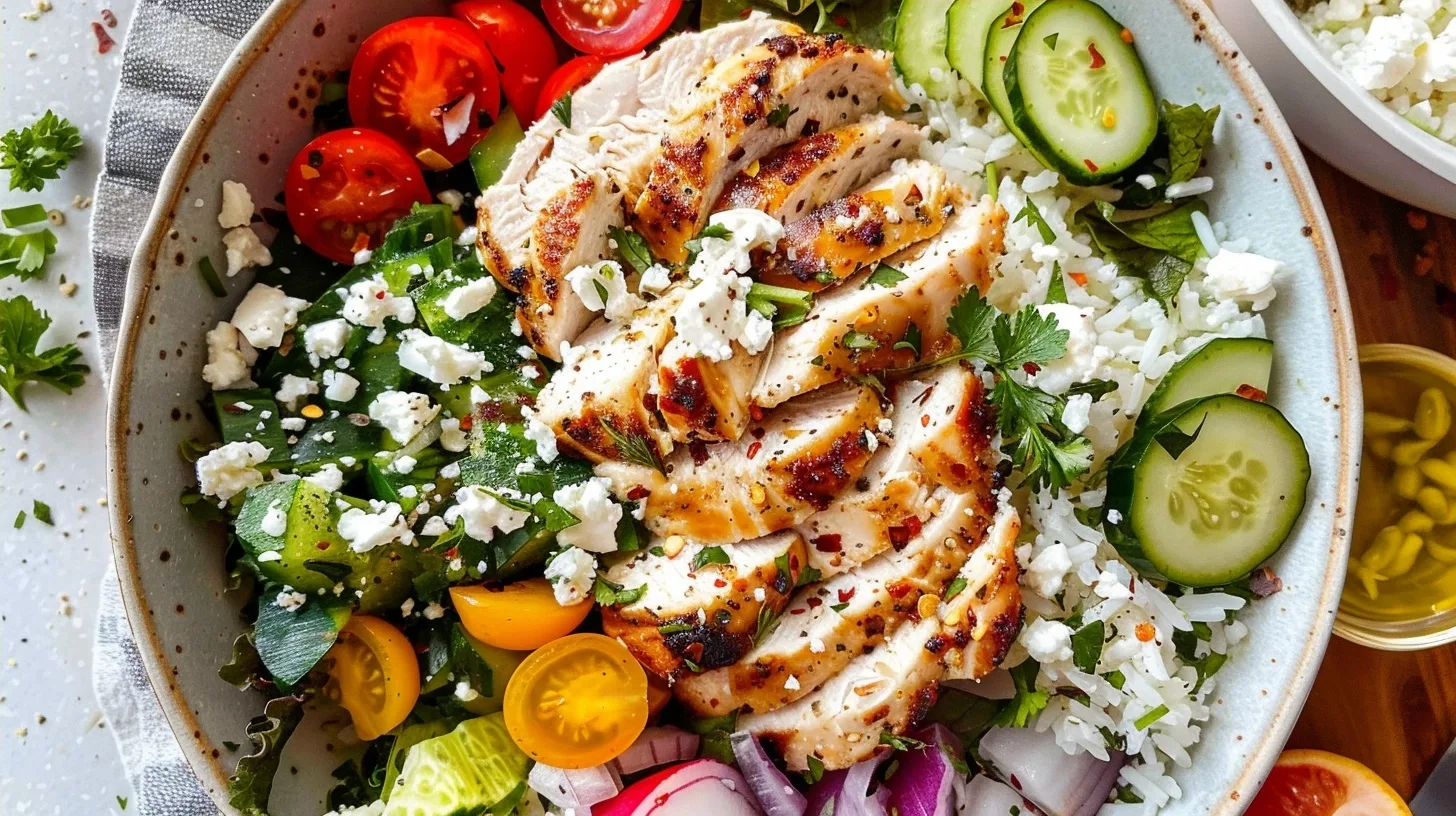
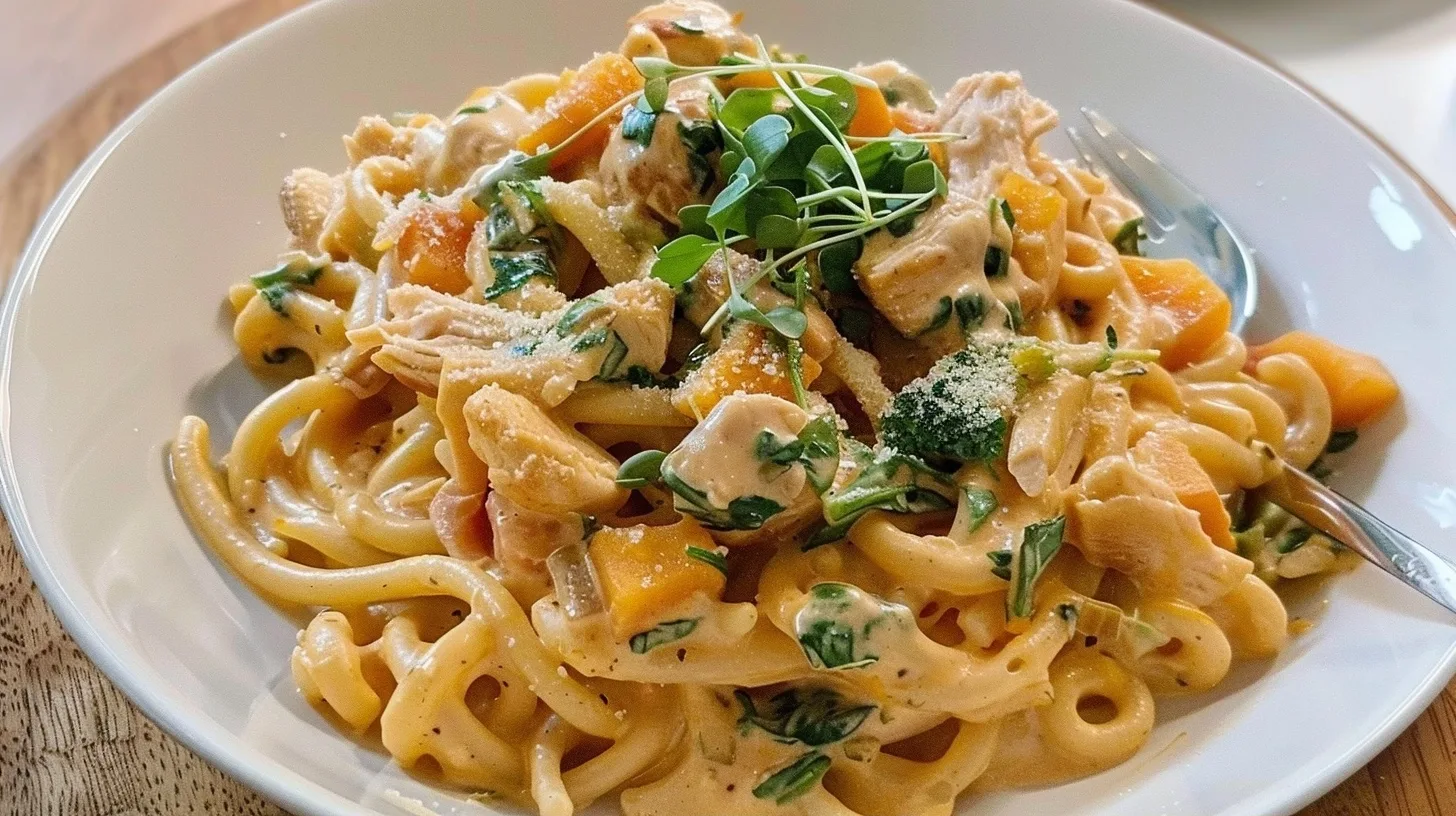
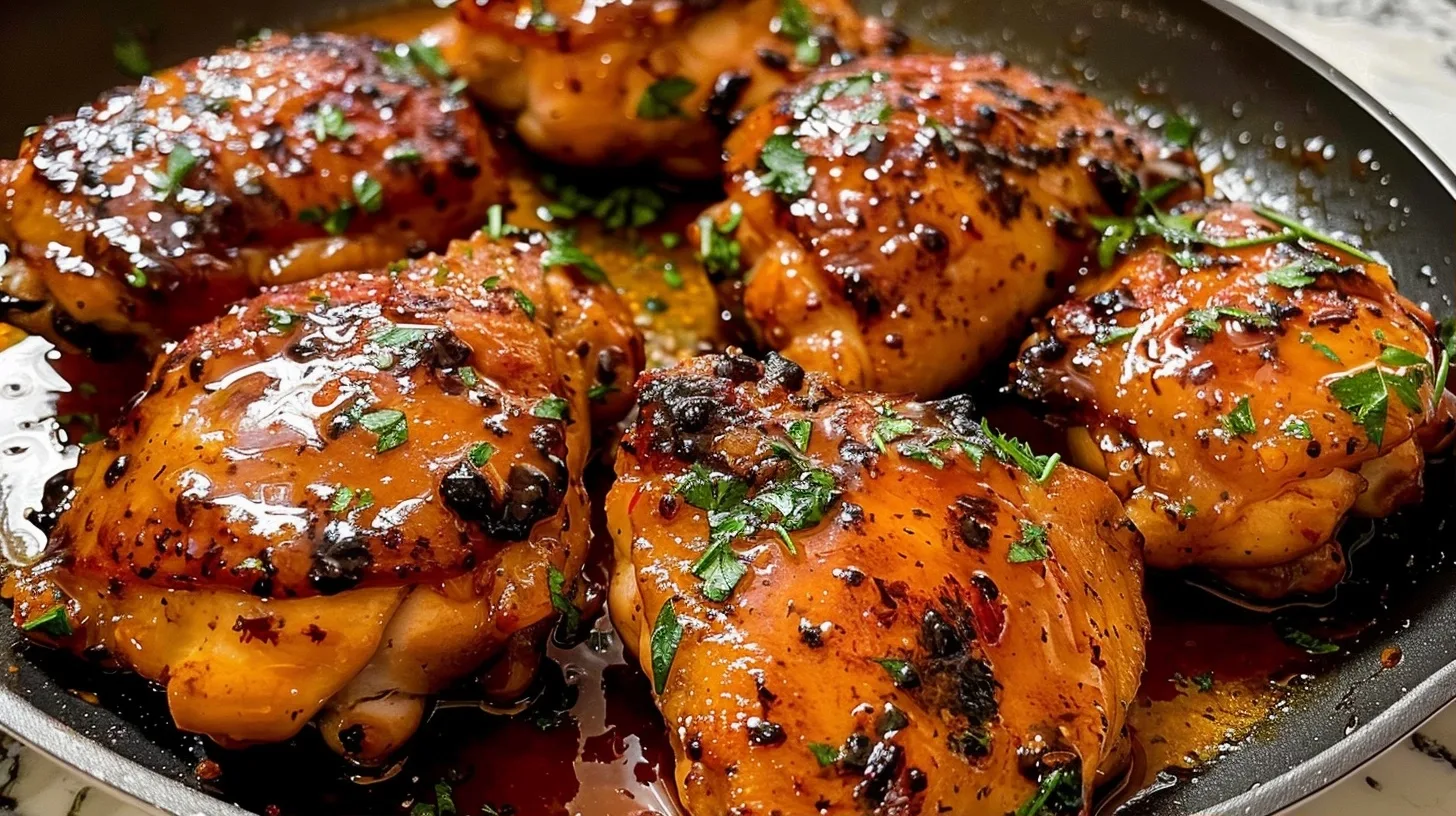
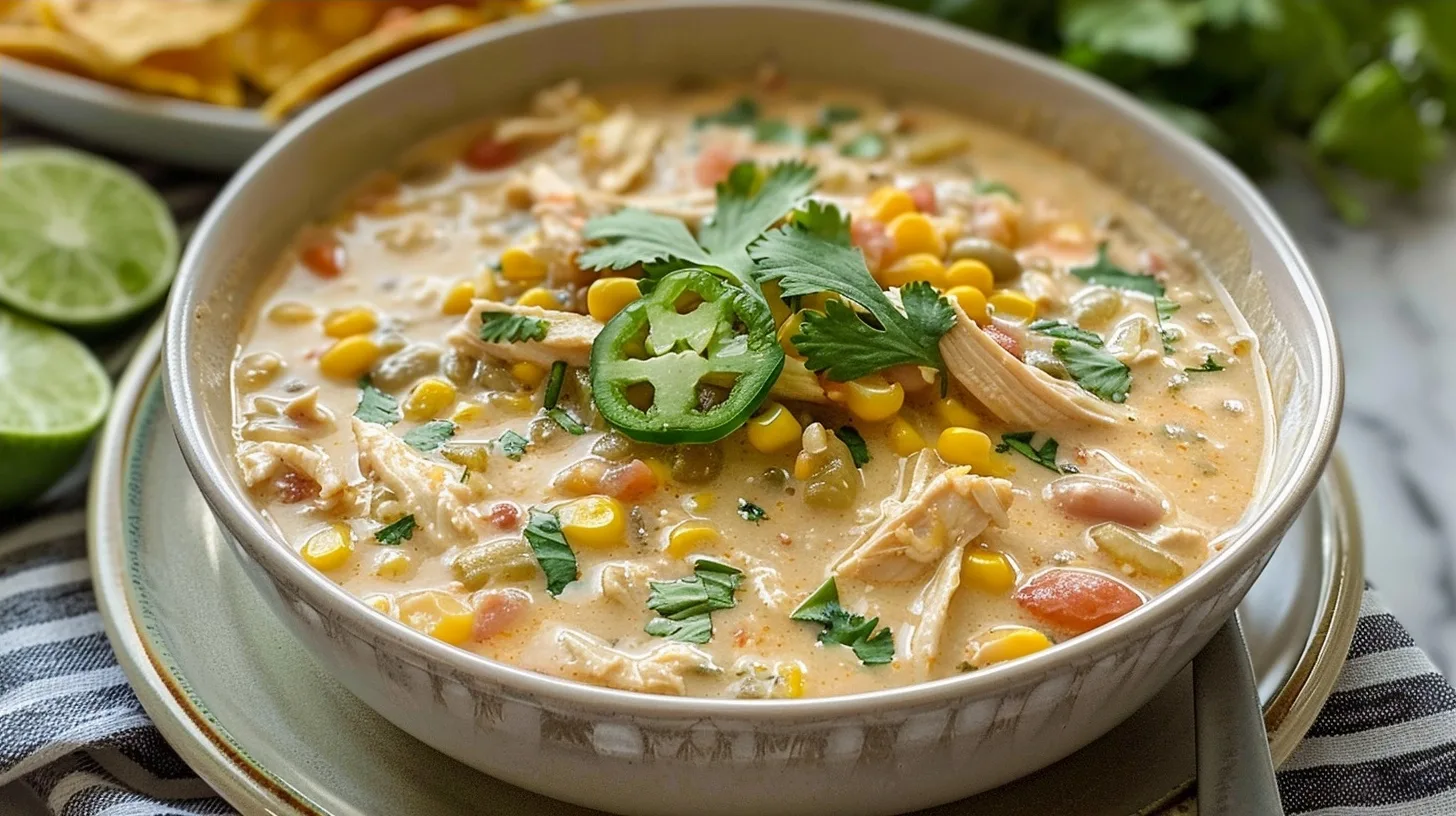
Lemon Chicken Feta Plates are a vibrant, protein-packed meal featuring tender chicken, zesty citrus, and tangy cheese arranged for a complete dinner experience. This balanced dish relies on fresh ingredients to create a satisfying plate that hits every craving for Mediterranean-inspired flavors. You will find this recipe remarkably easy to execute while delivering the bold, refreshing taste profile that makes it a perfect choice for healthy home cooking.
Introduction to Lemon Chicken Feta Plates
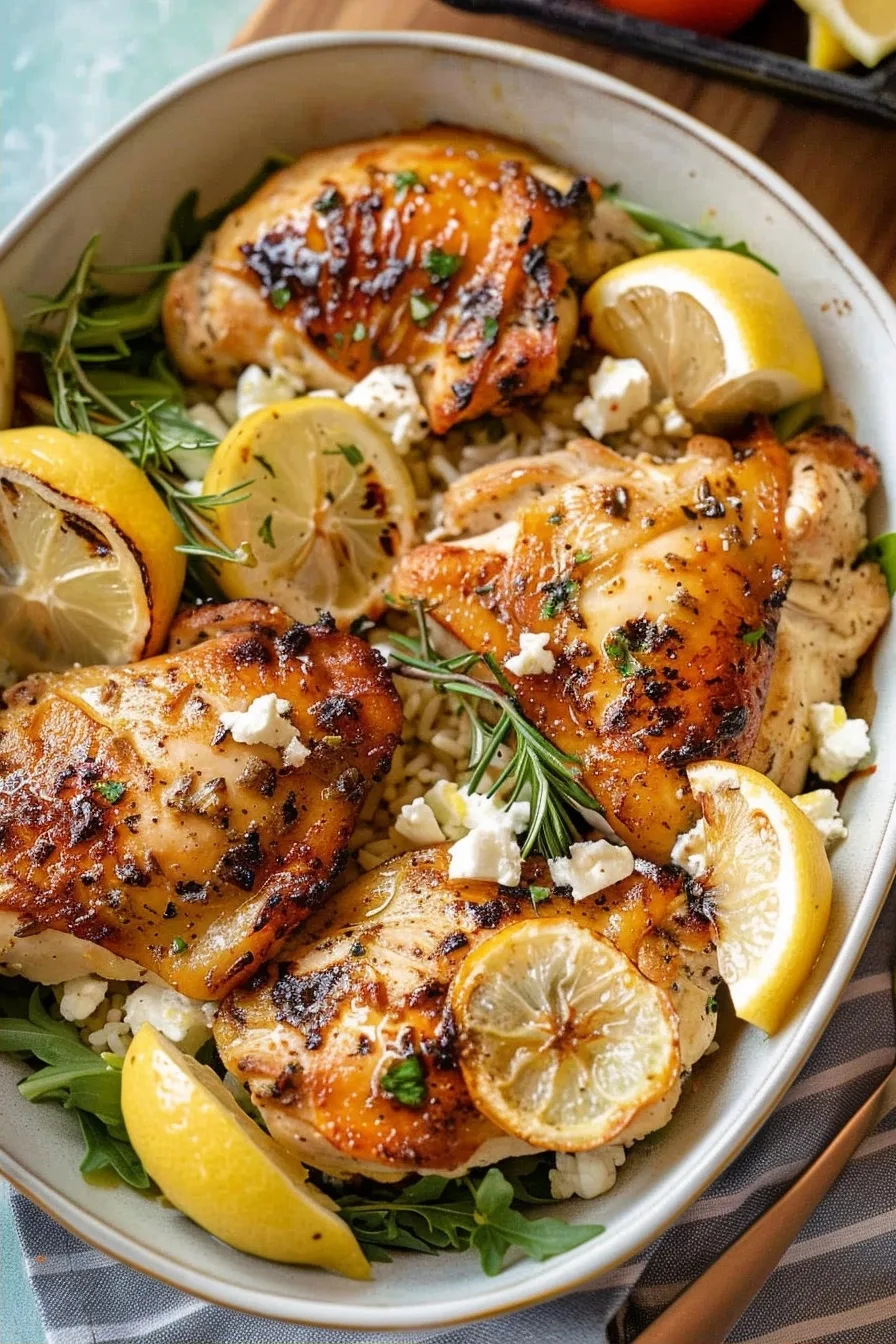
Lemon Chicken Feta Plates offer a crisp, bright flavor profile that balances the savory depth of pan-seared chicken with the sharp, salty punch of fresh feta cheese crumbles. Every bite delivers a texture contrast between the juicy, golden-brown chicken breast and the cool, creamy bite of the cheese topping. The aroma of citrus zest combined with fresh herbs creates a welcoming sensory experience that transforms a simple dinner into a restaurant-quality meal at home. You can taste the quality in every forkful as the lemon juice cuts through the richness of the feta to keep each bite feeling light and clean.
This dish finds its roots in the sun-drenched culinary traditions of the Mediterranean basin where lemon, olive oil, and feta serve as the foundational trio for countless meals. While many versions of this meal exist in modern cookbooks, this specific plate stands out because it focuses on a rapid preparation method that maximizes flavor without requiring hours of simmering. It captures the essence of coastal cooking by utilizing simple ingredients to create a sophisticated balance that feels both authentic and highly accessible for modern domestic kitchens. The cultural significance of this combination lies in its ability to highlight fresh produce and lean proteins without the need for heavy sauces or complicated cooking techniques.
These plates are designed for busy individuals who want to enjoy a nutritious, high-protein meal without sacrificing the complexity of flavor usually associated with weekend cooking. Whether you are preparing a quick Tuesday night dinner for your family or seeking a reliable recipe for your weekly meal prep rotation, this dish delivers consistent results every single time. It deserves a permanent place in your recipe collection because it requires minimal cleanup and uses pantry staples that you likely already have stored in your refrigerator. You will appreciate how easily it scales for larger gatherings or condenses for a simple solo dinner, making it one of the most versatile meals in your kitchen repertoire.
Why You’ll Love This Recipe
The secret to this dish lies in the lemon marinade which tenderizes the chicken fibers while infusing them with a bright, acidic foundation that balances the later addition of salt. You will love how the searing process develops a beautiful crust on the exterior of the meat, locking in the natural juices and ensuring the chicken stays moist throughout. This simple technique creates an immediate flavor payoff that feels far more indulgent than the standard boring baked chicken dinners you might be accustomed to making on busy days.
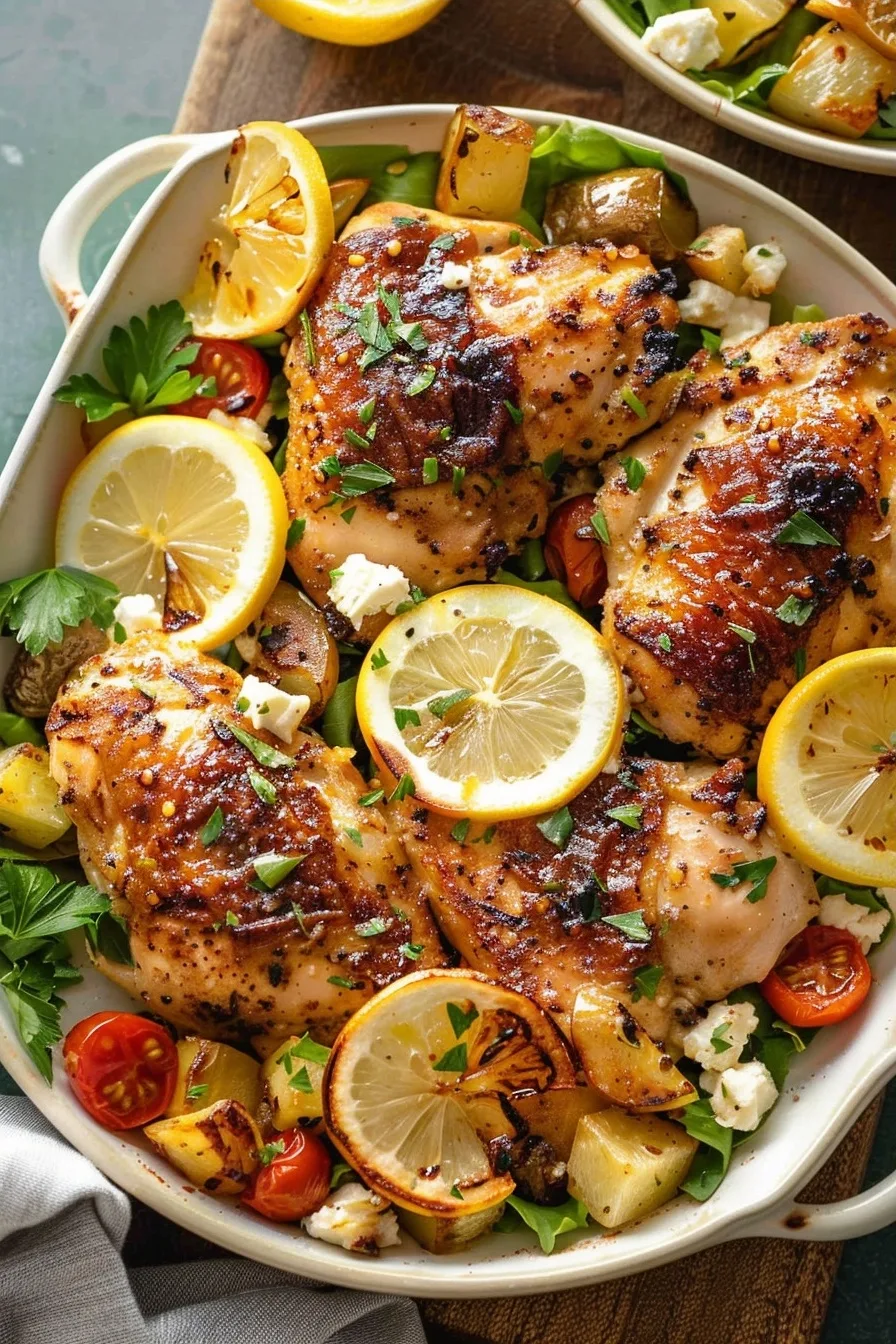
Texture plays a crucial role in this recipe as the slightly charred chicken edges meet the creamy, soft feta cheese to satisfy your cravings for both crunch and softness. The visual appeal of the vibrant yellow lemon slices against the stark white feta and golden chicken makes for an Instagram-worthy plating experience that elevates your dining mood. This dish satisfies on multiple levels by providing a high-protein punch while keeping the overall calorie density moderate enough for a nutritious and energizing evening meal.
The Perfect Weeknight Dinner
This recipe is built for speed and efficiency, allowing you to have a complete and delicious dinner ready in under forty minutes from start to finish. By using thin-cut chicken breasts, the cooking time is slashed significantly while ensuring the meat remains tender and perfectly safe for immediate serving. You will find that the limited number of steps makes the process intuitive, removing the stress usually associated with preparing a fresh, hot meal after a long and tiring workday.
The assembly nature of these plates makes them an ideal candidate for meal prep because you can cook the chicken in large batches and store the components separately in your refrigerator. Families will appreciate the ability to customize each plate with individual preferences, while beginners will love how forgiving the searing and assembly process truly is for inexperienced cooks. It functions as a reliable anchor in your weekly menu, proving that you do not need complicated equipment or fancy skills to achieve professional and flavorful results at home.
Ingredients Needed for Lemon Chicken Feta Plates
Main Ingredients
Prepare your kitchen for a fresh, high-quality meal by gathering these essential building blocks for your Lemon Chicken Feta Plates.
| Ingredient | Quantity | Notes |
|---|---|---|
| Chicken Breast | 1 lb | Main protein source |
| Feta Cheese | 0.5 cup | Adds salty creaminess |
| Lemon Juice | 3 tbsp | Bright acidic base |
| Olive Oil | 2 tbsp | Cooking fat and flavor |
| Dried Oregano | 1 tsp | Earthiness and aroma |
| Garlic | 3 cloves | Punchy aromatic base |
| Salt and Pepper | To taste | Essential flavor enhancers |
Optional Add-Ins
Customization allows you to tailor the final plate to your specific mood or the contents currently sitting in your pantry. Consider these optional ingredients to add extra layers of texture, color, and nutritional density to your final assembly.
| Ingredient | Quantity | Notes |
|---|---|---|
| Cherry Tomatoes | 1 cup | Adds sweet acidity |
| Kalamata Olives | 0.3 cup | Adds briny depth |
| Fresh Parsley | 2 tbsp | Bright herbal finish |
| Red Onion | 0.25 cup | Provides spicy crunch |
Ingredient Substitutions
- Replace chicken breast with firm tofu for a vegetarian protein source that maintains a similar structural integrity when pan-seared in the lemon mixture.
- Swap fresh lemon juice for apple cider vinegar if you prefer a sharper, more fermented acidity that cuts through the richness of the feta cheese.
- Use goat cheese instead of feta if you prefer a smoother, tangier profile that melts slightly more into the hot chicken when served warm.
- Substitute dried oregano for fresh thyme or rosemary to change the Mediterranean flavor profile to a more woody, pine-forward herbal experience.
Step-by-Step Cooking Instructions
Achieving the perfect balance of flavors requires a systematic approach to seasoning and searing your ingredients in a hot, reliable pan. Follow these distinct phases to ensure your chicken remains moist and your feta retains its beautiful, crumbled texture across every single serving plate.
Preparing the Protein
Begin by pounding your chicken breasts to an even thickness of about one-half inch to ensure they cook through at the same speed. Rub the meat thoroughly with salt, pepper, and dried oregano while allowing the seasoning to penetrate the surface of the meat for at least ten minutes. Heat your olive oil in a heavy-bottomed skillet until it begins to shimmer, signaling it is ready to receive the chicken without sticking. Place the chicken in the pan and sear until the exterior turns a deep, golden brown and the internal temperature reaches the proper safety standards. Remove the chicken from the heat and let it rest on a cutting board, which allows the juices to redistribute for maximum moisture.
Making the Sauce
Once the chicken is removed, add your minced garlic to the same pan and sauté for thirty seconds until the aroma fills your kitchen. Pour in the fresh lemon juice while scraping the bottom of the pan with a wooden spoon to incorporate the browned bits into the liquid. Allow the sauce to simmer for two minutes until it reduces slightly and achieves a syrupy, concentrated consistency that coats the back of a spoon. Taste the sauce to ensure the acid is balanced with a touch of salt, then turn off the heat immediately to prevent the garlic from burning and turning bitter.
Assembling the Dish
Slice your rested chicken into uniform strips against the grain to ensure each piece is tender and easy to chew during the meal. Arrange the chicken strips on your serving plates and drizzle the warm lemon-garlic sauce generously over each portion to coat the protein evenly. Sprinkle the crumbled feta cheese over the top of the hot chicken, allowing the residual heat to soften the cheese just enough to create a creamy coating. Serve your plates immediately while the components are still steaming, perhaps garnishing with extra herbs or vegetables if you chose to include any of the optional add-ins.
Pro Tips
Mastering these small details will take your cooking from standard to exceptional by focusing on temperature control and ingredient quality. Follow these guidelines to ensure your final plates look and taste exactly as intended every time you fire up the stovetop.
- Always pat your chicken dry with paper towels before seasoning, as moisture on the surface prevents the meat from developing a nice golden sear. Skipping this step results in steamed chicken that lacks the deep, complex flavor profile needed for a successful dish.
- Use a meat thermometer to pull the chicken off the heat the moment it reaches the recommended internal temperature of 165 degrees Fahrenheit. Overcooking the chicken is the fastest way to ruin the texture, making it tough, dry, and difficult to pair with the light sauce.
- Let the chicken rest for five minutes after cooking, which is critical for locking the juices inside the meat rather than losing them on the cutting board. If you slice into the meat too soon, all the moisture will leak out and leave you with dry, flavorless chicken strips.
- Whisk your lemon juice and oil together in a small bowl before adding it to the pan if you want a more emulsified sauce texture. A thick, well-mixed sauce adheres better to the chicken pieces than a thin, watery liquid that settles at the bottom of the plate.
- Toast your oregano in the dry pan for ten seconds before adding the oil to release the essential oils and significantly boost the flavor profile. This small, quick step dramatically increases the herbal intensity and makes the final dish smell like a professional Mediterranean kitchen.
The single most important technique in this recipe is the proper searing of the protein at the right heat level. You must ensure the pan is sufficiently hot before adding the chicken to prevent it from stewing in its own juices during the initial cooking phase. Achieving that golden-brown crust is the key to creating a deep flavor foundation that perfectly anchors the lighter, acidic notes of the lemon and the creamy saltiness of the feta.
Serving Suggestions and Variations
Pairing with Sides
To round out your meal, serve these plates with a side of Herb Roasted Potatoes for a comforting starch component that absorbs the excess lemon sauce. A fresh Greek Quinoa Salad provides a nutritious fiber boost and a wonderful texture contrast that complements the tender chicken beautifully. Adding a small bowl of Cucumber Tzatziki on the side introduces a cooling element that ties the entire Mediterranean theme together with a creamy, garlicky finish. These sides ensure your meal is balanced, filling, and visually appealing for a complete dining experience.
Creative Variations
To turn up the heat, stir a teaspoon of red chili flakes into the lemon juice while you are simmering the pan sauce. This addition provides a subtle warmth that cuts through the richness of the feta without overpowering the delicate citrus notes. You can adjust the intensity of the heat by increasing the amount of chili flakes based on your personal tolerance levels.
You can swap the chicken breast for firm white fish like cod or halibut to create a lighter, coastal version of this meal. These fish varieties cook very quickly in the same lemon sauce and absorb the flavors beautifully while offering a completely different, delicate texture. Simply adjust your cooking time to account for the faster-cooking nature of fish fillets to avoid over-flaking the protein.
If you want more inspiration, check out my Lemon Herb Orzo or my Garlic Roasted Vegetables for additional ways to utilize these Mediterranean flavor profiles. For a perfect dessert pairing, serve a slice of Honey Pistachio Baklava to provide a sweet, nutty contrast to the savory dinner you just enjoyed. These additions will complete your meal by bringing both warmth and sweetness to your table.
FAQ
Can I use chicken thighs instead of chicken breasts for this recipe?
You can absolutely use chicken thighs as they contain more fat and provide a richer, more succulent result that is very forgiving during the searing process. Since thighs are smaller and darker, you should cook them for an additional two minutes on each side to ensure they reach the proper internal temperature. The deeper flavor of the dark meat pairs exceptionally well with the sharp feta and bright lemon sauce for a more decadent meal. Make sure to trim excess fat from the thighs before cooking to keep the final dish clean and balanced.
What is the best way to make this meal vegetarian?
You can transform this dish into a vegetarian option by using firm, extra-pressed tofu blocks or thick slices of halloumi cheese as the main protein. Sear the tofu or halloumi in the same oil and lemon mixture to ensure it absorbs the savory, aromatic flavors of the garlic and oregano. Both options offer a wonderful texture contrast that stands up well to the lemon sauce and provides a hearty, filling experience without needing meat. Ensure you press the moisture out of the tofu thoroughly before cooking to allow for a better sear on the exterior of the blocks.
How long can I store leftovers in the refrigerator?
Leftover chicken can be stored in an airtight container in your refrigerator for up to three days, though it is best enjoyed within the first forty-eight hours. To reheat the dish, place the chicken in a skillet over low heat with a splash of water to prevent it from drying out during the process. Avoid microwaving the chicken if possible, as the high heat often causes the protein to become tough and rubbery, ruining the texture. Reheating it slowly on the stove will help preserve the moisture and allow you to reincorporate the lemon sauce effectively.
Can I prepare the chicken and sauce in advance?
You can prepare the lemon-garlic sauce in advance and store it in a jar for up to four days, which makes your weeknight assembly much faster. The chicken can also be seasoned ahead of time and kept in a sealed bag in the refrigerator to allow the flavors to deepen before you begin cooking. When you are ready to eat, simply sear the chicken, add the pre-made sauce to the pan, and heat everything through for an instant dinner. This strategy is ideal for busy parents or professionals who need to manage their time efficiently while still enjoying a homemade meal.
Why did my feta cheese melt entirely instead of staying in crumbles?
Your feta cheese likely melted because it was added to the pan while the chicken was still at a very high, direct heat rather than waiting until the plating stage. To ensure the feta stays in beautiful, creamy crumbles, you must plate your chicken and let it sit for sixty seconds before sprinkling the cheese on top. The residual heat will soften the exterior of the feta without causing it to dissolve into a puddle, keeping the texture distinct and pleasant. Choosing a block of feta instead of pre-crumbled varieties also helps, as pre-crumbled versions are often coated in starches that can affect the melting point.
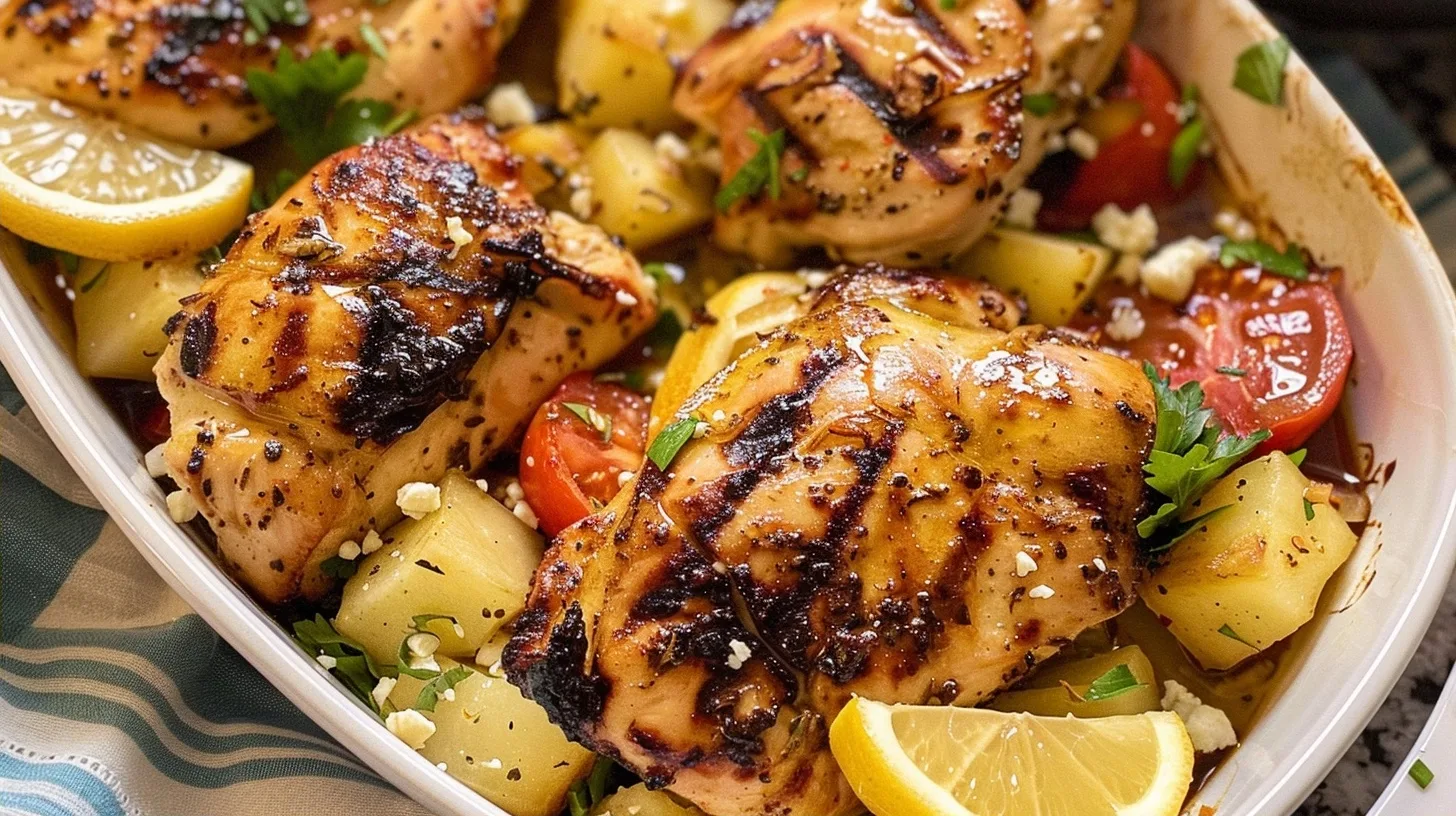
Lemon Chicken Feta Plates
Ingredients
Method
- In a shallow dish, whisk together olive oil, lemon juice, lemon zest, minced garlic, and oregano.
- Add the chicken cutlets to the marinade, ensuring they are well coated, and let sit for 15 minutes.
- Heat a large non-stick skillet over medium-high heat.
- Remove chicken from the marinade and place in the hot skillet.
- Sear the chicken for 5-6 minutes per side until golden brown and cooked through.
- Remove from heat and transfer to serving plates.
- Top each chicken portion with a generous amount of crumbled feta and fresh parsley.
- Serve warm, optionally alongside fresh vegetables or a light salad.